1. Introduction: The Changing Face of Web Development
The world of web development is changing faster than ever. Every year, new tools, languages, and trends emerge, transforming how websites and apps are built. What once took hours of coding can now be done in minutes with the help of modern frameworks, AI-powered tools, and cloud-based platforms.
For developers, this rapid evolution brings endless opportunities but also a clear message: learning never stops. To stay relevant and successful in this dynamic field, you must keep updating your skills and embracing new technologies.
Web development is no longer just about writing lines of code; it is about creating intelligent, interactive, and user-centered digital experiences. The more you learn and experiment, the more confident and capable you become as a developer.
Staying updated is not just about following trends; it is about future-proofing your career. The websites of tomorrow will be smarter, faster, and more secure, and the developers who understand these new tools will lead the way.
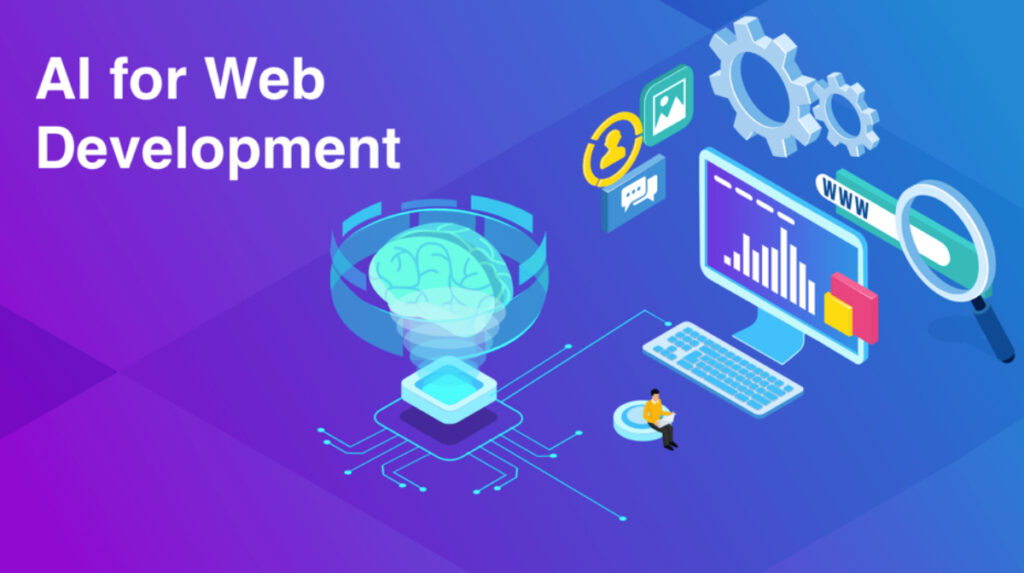
Artificial Intelligence (AI), Machine Learning, Web3, and cloud computing are already reshaping the web landscape. For instance, AI coding assistants can now help developers write better code in seconds, while serverless architecture allows sites to scale automatically without worrying about infrastructure. And with blockchain technology, developers are now building decentralized apps that offer greater transparency and security.
These advancements show that the role of a web developer is expanding. It is not just about coding anymore; it is about solving problems, optimizing performance, and delivering meaningful digital experiences.
As we move toward 2026 and beyond, one thing is clear: the best developers will be the ones who stay curious, flexible, and open to learning. If you keep exploring and adapting, you will not just keep up with the changes, you will be part of shaping the future of web development.
Table of Contents
2. Strengthen Your Core: HTML, CSS, and JavaScript Still Rule
Even with all the new technologies entering the web development world, one truth remains constant: the basics still matter the most. HTML, CSS, and JavaScript form the foundation of every website and web application. No matter how advanced the tools get, they all rely on these core languages to bring ideas to life.
When you have a strong grasp of the fundamentals, learning new frameworks or technologies becomes much easier. Think of HTML, CSS, and JavaScript as the building blocks of the web. If your foundation is solid, you can build anything on top of it, from simple landing pages to powerful web apps.
2.1 Why Solid Fundamentals Make You Future-Ready
Technology will continue to change, but the core principles of web development will always stay relevant. Understanding how HTML structures content, how CSS styles it, and how JavaScript makes it dynamic is what separates a great developer from someone who just knows how to use frameworks.
Frameworks like React, Vue, or Angular may come and go, but they are all built on top of these three languages. When you know the basics inside out, you can easily adapt to any new trend or tool that appears.
Solid fundamentals also help you debug issues faster, write cleaner code, and build websites that perform better. They give you the confidence to handle challenges without relying too heavily on pre-built tools or shortcuts. In short, strong basics make you a flexible and future-ready developer.
2.2 Tips to Keep Improving Your Coding Foundation
Improving your core web development skills is a continuous journey. Here are some simple but effective ways to keep getting better:
- Build something small every week. Create simple projects like a to-do app, a portfolio page, or a weather widget. Practice is the best way to learn.
- Revisit the basics often. Even if you know HTML, CSS, and JavaScript well, go back to refresh your understanding. Try new features like CSS Grid, Flexbox, or ES6 JavaScript functions.
- Read and analyze other people’s code. Open-source projects are a great learning resource. You will discover new techniques and problem-solving methods.
- Stay updated with new standards. Web technologies evolve too. Keep an eye on updates in HTML specifications, CSS properties, and JavaScript features.
- Focus on clean, readable code. Write code that is easy to understand and maintain. This habit will help you work more efficiently in the long run.
Remember, mastering the basics does not make you less advanced. It makes you unstoppable. Once your foundation is strong, you can easily explore any new tool, library, or framework that comes your way.
3. Learn Modern Frameworks That Power Today’s Web
Once you have a strong grasp of HTML, CSS, and JavaScript, the next step is to learn modern frameworks. These frameworks make web development faster, more efficient, and scalable. They provide ready-to-use structures, reusable components, and built-in optimization features that help developers build powerful web applications in less time.
In today’s fast-changing digital world, businesses and users expect smooth, interactive, and high-performing websites. Modern frameworks like React, Vue, and Next.js help developers meet those expectations. Learning them not only boosts your coding skills but also keeps you aligned with what the industry demands.
3.1 React, Vue, and Next.js: What’s Trending for 2026
React continues to lead the way as one of the most popular JavaScript libraries for front-end development. Its component-based structure, fast rendering, and strong community support make it a must-learn for any aspiring developer. React is used by companies like Facebook, Netflix, and Airbnb, which shows how valuable this skill can be.
Vue is another great option, especially for developers who want simplicity and flexibility. It is lightweight, easy to learn, and ideal for smaller to mid-sized projects. Vue’s learning curve is gentle, making it perfect for those transitioning from basic JavaScript to advanced front-end work.
Next.js is rapidly gaining popularity for full-stack development. Built on top of React, it allows developers to create server-rendered applications with better performance and SEO benefits. With the growing importance of speed and user experience, Next.js is becoming a top choice for developers heading into 2026.
3.2 Choosing the Right Framework for Your Career Goals
Selecting the right framework depends on your interests and professional goals. If you want to work with large-scale applications and join major tech companies, React should be your primary choice. It dominates the market and offers a wide range of opportunities.
If you prefer building projects quickly and enjoy a simpler, more beginner-friendly setup, Vue could be a great fit. It is also becoming popular among startups and small businesses that need fast, dynamic websites without complex architecture.
Next.js is the ideal choice for developers who want to work on full-stack projects or specialize in performance-driven, SEO-friendly web apps. It allows you to handle both front-end and back-end tasks efficiently, making you a more versatile developer.
Ultimately, the best framework for you is the one that aligns with your goals and helps you grow in the direction you want. Focus on mastering one framework deeply instead of learning many at once. This will help you gain confidence and expertise, which will make you stand out in the competitive web development industry.
4. Explore Backend and Cloud Development Skills
While front-end frameworks help you build interactive user interfaces, backend and cloud development skills are what make web applications truly powerful. The backend handles all the data, logic, and server communication that users do not see but rely on every time they interact with a website or app.
As businesses move toward more dynamic and scalable solutions, developers who understand how to manage servers, databases, and APIs are in high demand. Learning backend development also gives you a complete picture of how the web works, making you more versatile and valuable in any development role.
4.1 Understanding APIs, Node.js, and GraphQL
Backend development revolves around handling data flow between the client and the server. To master this, you need to understand key concepts and tools that make web apps efficient and connected.
Here are the essential technologies to focus on:
- APIs (Application Programming Interfaces):
APIs act as communication bridges between the front-end and backend. They allow different systems to share data and functionality smoothly. For example, when a user logs in, adds products to a cart, or fetches weather updates, APIs make those actions possible. Learning to create and use RESTful APIs is a must for every web developer. - Node.js:
Node.js allows developers to use JavaScript for backend development. This means you can work with a single language across both client and server sides. It is fast, scalable, and excellent for real-time applications such as chat systems, streaming platforms, or online gaming. Node.js also has a large library ecosystem (npm) that helps speed up development. - GraphQL:
GraphQL is a modern alternative to REST APIs that gives developers more flexibility in handling data. Instead of getting fixed data structures, you can request exactly what you need and nothing more. This reduces network load and improves app performance. Many leading tech companies now prefer GraphQL because it simplifies complex data fetching and provides faster results.
By mastering these technologies, you can efficiently build and manage dynamic web applications that deliver smooth, connected experiences for users.
4.2 Why Serverless and Cloud Platforms Are the New Standard
The future of web development is moving toward serverless and cloud-based systems. Instead of managing traditional servers, developers now use cloud services like AWS, Google Cloud, and Microsoft Azure to host applications, store data, and handle user traffic automatically.
Serverless computing allows you to focus on writing code while the cloud provider manages scaling, security, and infrastructure. This approach saves time, reduces costs, and enhances performance. It also ensures that applications remain stable even when traffic suddenly increases.
In 2026 and beyond, cloud-native development will continue to grow as businesses look for faster and more efficient deployment solutions. Developers who understand how to work with cloud functions, databases, and serverless architecture will be in high demand.
Start by exploring tools like AWS Lambda, Firebase, or Vercel to gain hands-on experience in deploying web applications in a cloud environment. These skills will make your projects more scalable and prepare you for the future of modern web development.
5. Embrace AI and Automation in Web Projects
Artificial Intelligence (AI) is transforming how developers create, design, and manage websites. What used to take hours or even days can now be done in minutes with the help of AI-powered tools. From writing cleaner code to generating designs and automating repetitive tasks, AI has become a valuable partner in every stage of web development.
By learning how to use AI tools effectively, developers can boost productivity, reduce errors, and focus more on creativity and strategy. The goal is not to replace human skills but to enhance them, allowing developers to work smarter and faster.
5.1 How AI Tools Speed Up Coding, Design, and Testing
AI is no longer limited to futuristic ideas; it is already improving daily workflows for developers. It brings automation, precision, and speed to almost every stage of web development. From writing cleaner code to testing applications and creating stunning designs, AI is transforming how projects are built and delivered. Developers can now focus more on solving real-world problems while letting AI handle repetitive, time-consuming tasks.
Here’s how it plays a key role in web projects today:
- Faster Coding:
AI-powered code assistants like GitHub Copilot and Tabnine help developers write code faster by suggesting snippets, fixing syntax errors, and predicting what comes next. These tools not only save time but also improve code quality, especially for repetitive or complex logic. - Smarter Design:
AI-driven design platforms such as Figma with AI features or Adobe Firefly make it easier to generate layouts, color palettes, and graphics automatically. They help designers visualize ideas quickly and make the design-to-development handoff smoother. - Automated Testing:
Testing is a time-consuming but essential part of web development. AI testing tools like Testim or Mabl can automatically detect bugs, run test cases, and learn from previous errors. This leads to more reliable websites with fewer manual checks.
AI integration helps streamline the development cycle from start to finish, giving teams more time to focus on building creative and user-friendly solutions.
5.2 Balancing Human Creativity with Automation
While AI is powerful, it cannot replace human creativity, problem-solving, and emotional understanding. The best results come from combining human intelligence with AI automation.
Here are a few ways to maintain that balance:
- Use AI as a helper, not a replacement. Let AI handle repetitive and technical tasks while you focus on creativity, strategy, and user experience.
- Stay involved in decision-making. Always review and refine what AI generates. Your personal touch and design sense make the final product unique.
- Keep learning. As AI tools evolve, keep exploring how they can support your workflow without taking away your individuality as a developer or designer.
By balancing automation with creativity, you can stay productive while ensuring your projects still reflect originality and human connection. Developers who understand how to work alongside AI will be better prepared for the next generation of web development, where innovation and efficiency go hand in hand.
6. Focus on Web Security and Performance Optimization
In the modern digital world, users expect websites to be not only visually appealing but also fast, secure, and reliable. A beautiful design or interactive layout loses its impact if a site takes too long to load or puts user data at risk. That is why web security and performance optimization are two of the most important skills every developer must master.
By understanding how to protect websites from threats and how to improve their speed, you can deliver better user experiences and build trust with your audience. As cyber threats continue to evolve, learning security best practices and performance optimization techniques will make you stand out as a skilled and responsible web developer.
6.1 Common Security Issues Every Developer Must Know
Every website is a potential target for cyberattacks, regardless of its size or purpose. Knowing the common security risks can help you prevent them before they cause serious damage. Here are some key issues every developer should be aware of:
- Cross-Site Scripting (XSS):
This occurs when attackers inject malicious code into a website, which then runs in the browser of unsuspecting users. Always validate and sanitize user inputs to prevent this. - SQL Injection:
Hackers can manipulate database queries through unprotected input fields. Using prepared statements or ORM tools can help safeguard against this. - Cross-Site Request Forgery (CSRF):
This type of attack tricks users into performing actions they did not intend to, like changing passwords or making transactions. Using tokens and secure authentication methods can help reduce this risk. - Weak Authentication:
Poor password policies and unencrypted data can lead to account takeovers. Implementing two-factor authentication and HTTPS encryption adds an extra layer of protection.
By being proactive and understanding these vulnerabilities, developers can ensure that their websites remain safe for users and businesses alike.
6.2 Ways to Build Fast, Secure, and Efficient Websites
Performance is just as important as security. A slow website not only frustrates users but also affects search rankings and conversions. Studies show that even a one-second delay in loading time can reduce user satisfaction and lead to lost visitors. A secure and high-performing website builds trust, improves engagement, and delivers a smoother experience on all devices.
Here are some proven ways to make websites both fast and secure:
- Optimize Images and Code:
Compress images, minify CSS and JavaScript files, and remove unnecessary code to reduce loading times. - Use Content Delivery Networks (CDNs):
CDNs help distribute your website’s content across multiple servers globally, ensuring faster delivery to users no matter where they are located. - Implement Caching:
Browser and server-side caching reduce load times for returning visitors by storing frequently accessed data locally. - Use HTTPS Everywhere:
Secure your website with SSL certificates to encrypt user data and build trust. It also improves your SEO rankings. - Regularly Update Dependencies:
Outdated plugins, libraries, or frameworks often contain security flaws. Keep everything up to date to avoid vulnerabilities. - Monitor and Test Performance:
Use tools like Google Lighthouse, GTmetrix, or PageSpeed Insights to test and optimize your website’s speed and security regularly.
When you combine strong security practices with performance optimization, you create websites that not only look and function beautifully but also offer reliability and safety. This balance helps build user confidence and ensures long-term success for any web project.
7. Design with Users in Mind: UX and Accessibility Skills
In today’s world, web development is no longer just about building something that works; it’s about creating experiences that everyone can enjoy. Great design is not only beautiful but also intuitive, inclusive, and accessible to all users, regardless of their age, ability, or device.
User Experience (UX) and Accessibility (A11y) are now key parts of modern web development. When you design with empathy and inclusivity in mind, you ensure that your website reaches more people, delivers smoother interactions, and reflects a brand that truly cares about its audience.
As technology continues to evolve, developers who understand how to blend design and accessibility will have a major advantage. It is no longer just a skill, it is a responsibility to make the web usable for everyone.
7.1 Why Inclusive Design Matters More Than Ever
Inclusive design is no longer just an option; it is a necessity in modern web development. As the internet continues to connect people from all walks of life, developers must ensure that websites are accessible to everyone, regardless of their physical abilities, device preferences, or network conditions. A truly inclusive website not only enhances usability but also shows respect for diversity and inclusion.
By focusing on accessibility, developers create digital spaces that welcome users with visual, hearing, or cognitive impairments. It also improves SEO and overall user satisfaction, as inclusive design often leads to cleaner, more structured, and user-friendly interfaces. In short, designing with inclusivity in mind helps brands reach a wider audience and builds trust with users around the world.
7.2 Simple Ways to Make Your Website User-Friendly for All
You don’t need to be a design expert to create accessible and user-friendly websites. By following a few practical steps, you can make your site more welcoming and intuitive for everyone.
Here are some effective ways to do that:
- Use Clear and Consistent Navigation:
Keep menus simple and predictable so users can find what they need without confusion. Clear navigation improves both accessibility and overall UX. - Add Alt Text to Images:
Describe images using alternative text so screen readers can convey visual content to users with visual impairments. This also benefits SEO. - Ensure Readable Color Contrast:
Choose colors that make text easy to read against the background. Avoid combinations like light gray on white or dark red on black. - Design for Keyboard Accessibility:
Make sure users can navigate through the website using only a keyboard. This is vital for users who cannot use a mouse. - Optimize for Mobile Devices:
A responsive design ensures that your website looks and functions well on screens of all sizes, from phones to tablets and desktops. - Provide Descriptive Links and Buttons:
Use clear labels like “Download Report” instead of vague terms like “Click Here.” This helps users and assistive technologies understand each action.
When you focus on accessibility, you make your website not only compliant with standards but also more enjoyable for every visitor. A well-designed, inclusive website reflects empathy, professionalism, and care, qualities that every brand should embrace in 2026 and beyond.
8. Keep Learning: Build Your Brand and Stay Ahead
The world of web development is evolving at lightning speed, and staying ahead requires continuous learning and personal growth. Developers who keep upgrading their skills and exploring new technologies not only remain relevant but also stand out in a competitive market. Learning doesn’t stop once you land a job; it’s a lifelong process that helps you adapt, innovate, and grow as a professional.
In this ever-changing industry, curiosity and consistency are key. The more you explore new tools, frameworks, and trends, the better you’ll understand where the web is heading. Continuous learning also helps you future-proof your career, making it easier to pivot into emerging fields like AI-driven development or cloud architecture. By actively building your personal brand and showcasing your knowledge, you can position yourself as a thought leader and attract exciting opportunities in the digital world.
8.1 Joining Online Communities and Learning Platforms
One of the best ways to stay current in web development is by engaging with online communities and learning platforms. Joining developer groups, coding forums, or discussion spaces allows you to connect with like-minded professionals, share knowledge, and gain insights from others’ real-world experiences. These spaces often feature tutorials, live discussions, and challenges that help you sharpen your skills and stay up to date with the latest trends in technology.
Participating in such communities also provides valuable opportunities to collaborate on projects, ask questions, and receive constructive feedback from experienced developers. Staying active in these circles not only improves your technical knowledge but also expands your professional network, opening the door to potential collaborations, mentorships, and career growth.
8.2 How Personal Projects Can Grow Your Confidence and Visibility
Working on personal projects is one of the most effective ways to apply what you learn and showcase your expertise. Whether it’s building a portfolio website, developing a web app, or experimenting with new frameworks, each project adds real value to your experience.
Personal projects help you:
- Experiment freely without the pressure of client expectations.
- Build problem-solving skills by tackling real-world challenges.
- Demonstrate creativity and initiative to potential employers or clients.
- Enhance your online presence by sharing your work on GitHub, CodePen, or LinkedIn.
These projects not only strengthen your confidence but also make your personal brand stronger. When people see your consistent learning and practical application, they recognize you as a passionate and skilled developer, someone who’s truly preparing for the future.
9. Frequently Asked Questions (FAQs)
1. Why is continuous learning important for web developers?
The tech world changes rapidly, and what’s trending today might be outdated tomorrow. Continuous learning helps developers stay relevant, adapt to new tools and frameworks, and maintain a competitive edge in the job market.
2. How can joining online communities help in career growth?
Online communities are great places to share ideas, ask questions, and learn from others’ experiences. They help you stay updated with the latest trends, connect with professionals, and even find mentorship or job opportunities.
3. What types of personal projects should I work on to improve my skills?
Start with small, meaningful projects like building a personal portfolio, a simple web app, or an open-source contribution. These projects allow you to practice new concepts, solve real-world problems, and showcase your creativity to potential employers.
4. How can I build my personal brand as a web developer?
You can build your brand by consistently sharing your work online, writing technical blogs, contributing to forums, or showcasing your portfolio. Your online presence reflects your passion and expertise, helping you stand out to clients or recruiters.
5. What’s the best way to stay updated with new web development trends?
Follow trusted tech blogs, subscribe to newsletters, attend webinars, and network with other developers. Regularly exploring new technologies and participating in discussions keeps your knowledge fresh and your skills in demand.
10. Conclusion: Preparing Today for the Web of Tomorrow
As web development continues to evolve, one thing remains constant: the need to keep learning, adapting, and growing. The skills and technologies that define today’s web will transform in the coming years, and developers who embrace continuous learning will always stay ahead of the curve.
By strengthening your fundamentals, exploring modern frameworks, understanding backend and cloud concepts, and integrating AI and automation, you’re setting yourself up for long-term success. Equally important is focusing on user experience, security, and accessibility to create websites that truly serve everyone.
Remember, your growth as a developer doesn’t just depend on technical skills; it also relies on curiosity, consistency, and community. Keep experimenting, keep sharing your work, and never stop learning. The future of web development belongs to those who are ready to evolve with it.
Every new tool or framework you learn adds to your versatility and creativity as a developer. Stay open to change, seek inspiration from peers, and make learning a part of your daily routine. The journey of growth never ends, and that’s exactly what makes web development such an exciting and rewarding field.
Check out our latest blog on – “AI Assistants vs. AI Agents: Shaping Smarter Business Strategies”