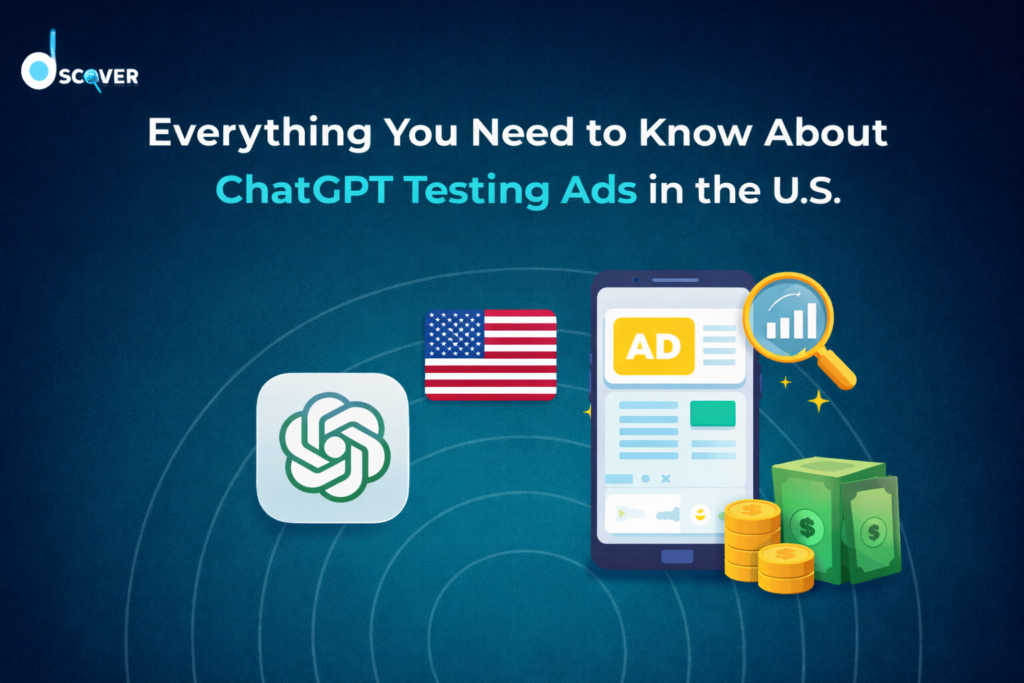
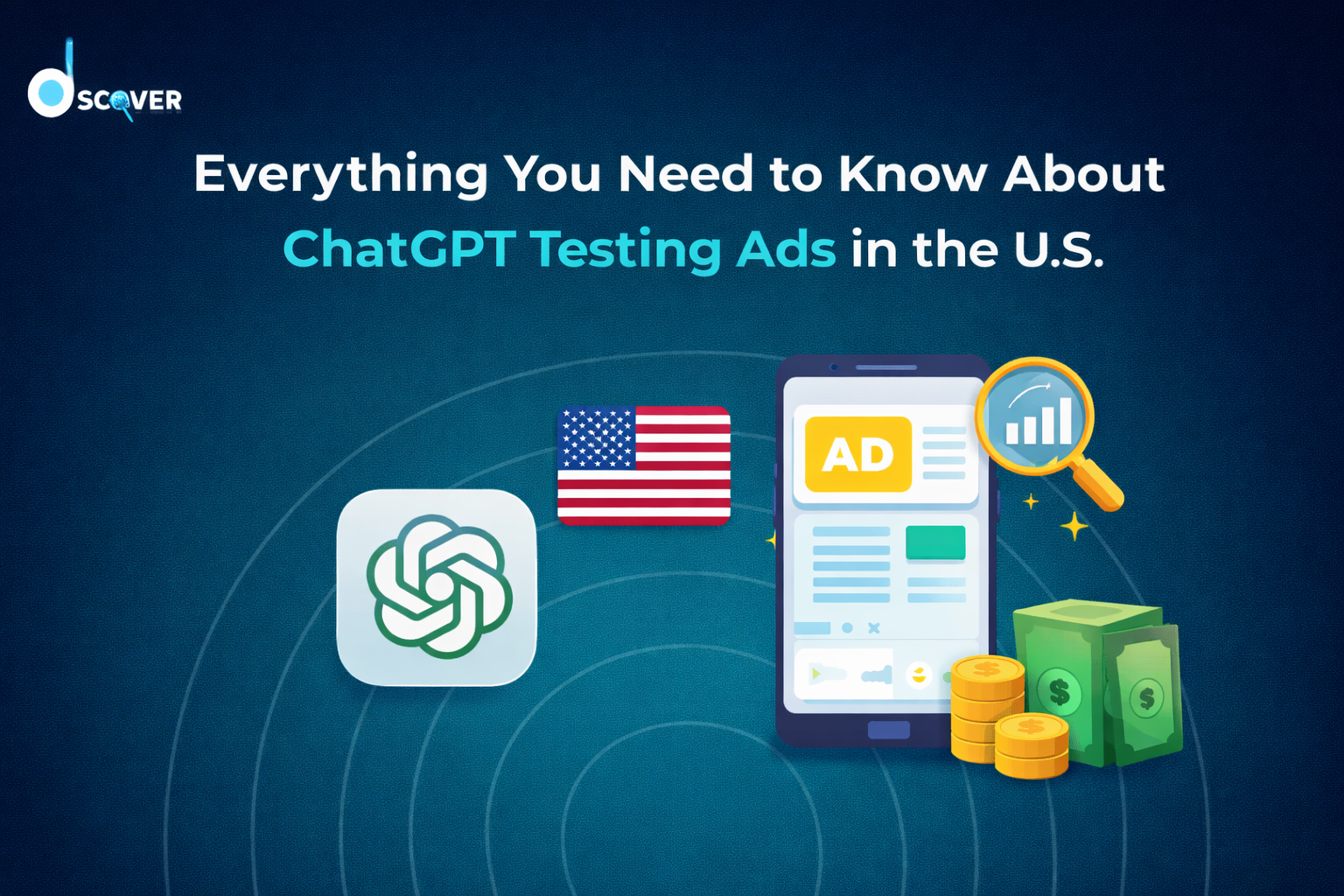
OpenAI has officially confirmed that it will begin testing advertisements within ChatGPT in the United States starting in late January or early February 2026. This move marks a major shift for the company, which has historically relied on venture capital and subscriptions to fund its massive computing costs.
ChatGPT is an AI-powered conversational assistant developed by OpenAI that helps users generate human-like text responses in real time. It is designed to answer questions, explain complex topics, create content, assist with coding, support research, and improve productivity across personal and professional use cases.
Built on advanced large language models, ChatGPT understands context, follows instructions, and adapts its responses based on user input. Over time, it has evolved from a simple chatbot into a versatile AI tool used by students, marketers, developers, businesses, and content creators worldwide.
ChatGPT is available through multiple plans, including free and paid tiers, offering different levels of access, speed, and advanced features. Its ease of use and wide range of applications have made it one of the most widely adopted AI tools globally, shaping how people interact with artificial intelligence on a daily basis.
Table of Contents
Why OpenAI Is Testing Ads Now
OpenAI’s decision to begin testing ads in ChatGPT comes at a time when the cost of building and operating advanced AI systems is increasing rapidly. Running large language models requires massive computing power, data centers, and ongoing research investments. Relying only on subscriptions limits how widely these tools can be offered, especially to users who prefer free access.
By introducing ads, OpenAI is creating an additional revenue stream that helps support the long term sustainability of ChatGPT. This approach allows the company to continue offering a free version and a lower cost plan while keeping premium tiers ad free for users who want an uninterrupted experience.
Another key reason is scale. ChatGPT is now used by millions of people daily across education, business, and personal use. Ads provide a way to fund this growing demand without restricting access or reducing features for free users. OpenAI has stated that ads will be clearly labeled, placed outside of AI responses, and designed to protect user privacy and trust.
Overall, testing ads now helps OpenAI balance three priorities: keeping ChatGPT accessible, funding future AI innovation, and maintaining a high quality user experience.
What’s Changing in ChatGPT
OpenAI’s latest announcement brings significant updates to how users will experience ChatGPT in the United States. At the heart of these changes is the introduction of advertising for certain users and a clear distinction between the accounts that will have ads and those that will not.
Ads Coming to Free Users and Go Tier
With the new changes, OpenAI plans to begin testing advertisements inside ChatGPT for users on the Free tier and a recently introduced ChatGPT Go subscription. These ads are expected to appear at the bottom of ChatGPT’s responses when there is a relevant sponsored product or service related to what the user is asking about. OpenAI has stated that the ads will be clearly labeled and separated from the assistant’s responses so that users can easily distinguish between organic AI output and sponsored content.
The ChatGPT Go plan sits between the free tier and the higher paid subscriptions. It is priced at about $8 per month in the United States and offers users more messages, greater ability to upload files, and longer memory capacity compared to the free version, while still including ads during this testing phase.
Paid Tiers That Remain Ad-Free
While ads will be tested with Free and Go users, OpenAI has made it clear that higher-tier paid subscriptions will remain completely ad-free. This includes plans such as ChatGPT Plus, ChatGPT Pro, ChatGPT Business, and ChatGPT Enterprise. Users on these paid tiers will continue to enjoy an uninterrupted experience without any advertising within the chat interface.
This tiered approach gives users the choice to either use ChatGPT at no cost with ads, enjoy more features at a low cost with a limited number of ads, or pay more to have a fully ad-free experience and additional capabilities.
How ChatGPT Ads Will Work
OpenAI says the upcoming ads in ChatGPT are designed so that users still get the same helpful AI responses with ads shown clearly and separately, not mixed into the content of the answers. This approach is meant to keep the tool trustworthy while exploring new ways to support free access.
Placement of Ads in Conversations
When ads begin rolling out in the United States, they will appear below ChatGPT’s main response to a user query, not inside the answer itself. This means you will first see the AI’s reply, and then, if there is a relevant sponsored product or offer, a short ad block will show up after the response.
OpenAI plans to test this format first with Free users and the ChatGPT Go subscription tier. Paid subscriptions such as Plus, Pro, Business, and Enterprise will continue to be ad-free.
Key Details of the Ad Rollout
The initial test is designed to be limited and transparent to avoid alienating users. Here is how the ads will work:
- Target Audience: Testing is restricted to adult users in the United States on the Free and the new $8/month “Go” tiers.
- Ad Formats: Ads will appear as clearly labeled “Sponsored” cards or banners at the bottom of a conversation. They are context-aware; for example, if you ask for recipe ideas, you might see a sponsored link for a grocery delivery service.
- Ad-Free Tiers: Subscribers on Plus ($20/month), Pro ($200/month), Business, and Enterprise plans will remain entirely ad-free.
- Privacy Protections: OpenAI has pledged that:
- Ads will not influence the actual AI-generated responses.
- Conversations are not shared with advertisers.
- Users can dismiss ads, provide feedback, and opt out of ad personalization.
How Ads Are Labeled and Separated from AI Responses
Ads will be clearly labeled so users always know when they are looking at promotional content rather than an AI answer. OpenAI has emphasized that ads will never influence the responses ChatGPT generates. The AI’s answers are based purely on what is most helpful and relevant to the question asked.
Visually, the ad content will be distinct from the organic response, with design elements and labels that separate it from the AI text. Users will also have control over their ad personalization settings, including the option to turn off personalized ads or clear data used for ad targeting.
OpenAI has also stated that ads will not be shown for certain sensitive topics, including health, mental health, politics, and other regulated areas, and that users under age 18 will not receive ads during the test phase.
Examples of Potential Ads
While OpenAI has not published a full gallery of sample ads, the earliest previews and reporting give a good idea of how ads might be tied to the conversation context:
- If a user asks for product recommendations, like “best running shoes for beginners,” ChatGPT might later show a sponsored link to a running shoe brand or shoe retailer.
- When a user asks about travel planning, an ad could show options for hotels or tour services that match the destination discussed.
- For queries about recipes or kitchen gear, ads might include cookware brands or food delivery services relevant to the topic.
The aim is to make ads contextually useful rather than disruptive, giving users a chance to discover products or services that relate to what they are already talking about.
Impact on Users and How They Interact
The introduction of ads in ChatGPT marks a noticeable shift in how users engage with the platform, especially for those using free and lower cost plans. While OpenAI aims to keep the core AI experience unchanged, ads introduce a new layer that users will need to adapt to over time.
For many users, this change will influence how often they use ChatGPT, which plan they choose, and how they perceive the balance between free access and paid convenience. Understanding these impacts helps users decide which version of ChatGPT best fits their needs.
Free vs Paid Users Experience
For free users and those on the ChatGPT Go plan, ads will become part of the overall experience. These users will see sponsored content placed below AI responses when relevant. While the main answers remain unaffected, the presence of ads may slightly change the flow of conversations for users who rely on ChatGPT frequently throughout the day.
Paid users, on the other hand, will continue to enjoy a completely ad free environment. Plans like Plus, Pro, Business, and Enterprise are designed for users who want uninterrupted access, faster responses, and advanced features without promotional content.
| Feature | Free Users | ChatGPT Go | Paid Plans |
| Ads displayed | Yes | Yes | No |
| Ad free experience | No | No | Yes |
| Core AI responses | Full access | Full access | Full access |
| Best for | Casual users | Budget power users | Professionals and teams |
Effect on ChatGPT Usability
From a usability standpoint, OpenAI has stated that ads will not interfere with how ChatGPT generates or presents its answers. Users will always see the full AI response first, ensuring that the primary purpose of the tool remains intact.
However, some users may find ads distracting, especially during long research sessions or repeated queries. This could lead to faster adoption of paid plans by users who value a clean and focused interface.
At the same time, casual users may see little to no negative impact. Since ads appear only when relevant and are visually separated, many users may simply scroll past them without disruption, especially when using ChatGPT occasionally.
How Users Can Control Ad Personalization
OpenAI is giving users control over how ads are personalized to maintain transparency and trust. Users will have access to settings that allow them to manage ad related preferences.
Users can:
- Adjust ad personalization settings within their account
- Turn off personalized ads based on activity
- Clear data used for ad targeting
- Hide or dismiss ads they find irrelevant
- Review privacy controls related to advertising
These controls are designed to ensure users remain comfortable with how ads are shown while continuing to use ChatGPT in a way that suits their preferences.
Privacy and Safety Considerations
As ChatGPT begins testing ads, OpenAI has placed strong emphasis on protecting user privacy and maintaining a safe environment. Since users often share questions related to work, learning, and personal interests, OpenAI aims to ensure that advertising does not compromise trust or misuse conversational data.
To address these concerns, the company has outlined specific rules around data handling, topic sensitivity, and user eligibility. These safeguards are designed to make ads informative rather than intrusive, while keeping ChatGPT a reliable and secure platform.
Data Protection Measures
OpenAI has stated that conversations in ChatGPT are not shared directly with advertisers. Ads are shown based on limited contextual signals and user settings, not by giving advertisers access to private chats or personal data. This means advertisers cannot see individual conversations or identify users based on what they type.
Users also have control over how their data is used for ad personalization. Through account settings, they can manage preferences, clear ad related data, or limit personalization entirely. These measures are intended to give users transparency and control over their experience.
Sensitive Topics and Ad Restrictions
Ads will not appear alongside certain sensitive or regulated topics. OpenAI has confirmed that advertising will be restricted for areas such as health, mental health, politics, and other topics where promotional content could be misleading or harmful.
By limiting ads in these categories, OpenAI aims to prevent conflicts between helpful AI guidance and commercial messaging. This approach helps preserve the credibility of ChatGPT, especially when users seek advice or information on serious or personal matters.
Age Restrictions
OpenAI has also implemented age based restrictions for advertising. Users under the age of 18 will not be shown ads during the testing phase. This rule is designed to protect younger users and ensure compliance with child safety and data protection standards.
These age restrictions, combined with privacy controls and content safeguards, reflect OpenAI’s broader effort to introduce ads responsibly while keeping ChatGPT safe for a wide range of users.
Why OpenAI Is Introducing Ads
OpenAI’s decision to introduce ads in ChatGPT reflects a broader shift toward building a sustainable long term business model for advanced AI tools. As ChatGPT continues to grow in popularity and usage, the cost of maintaining reliable performance, improving models, and expanding infrastructure also increases.
Introducing ads allows OpenAI to reduce its dependence on subscriptions alone while continuing to invest in research, safety, and innovation. Rather than limiting access or increasing prices across all plans, ads offer a way to support growth without restricting usability for free users.
This approach also aligns with OpenAI’s goal of expanding access to AI technology globally, ensuring that people who cannot afford paid plans can still benefit from powerful AI tools.
Diversifying Revenue Streams
Advertising gives OpenAI an additional income source that complements its existing subscription based revenue. This diversification helps reduce financial risk and supports long term stability.
Key revenue benefits include:
- Reduced reliance on subscriptions: Ads help balance income so OpenAI does not depend entirely on paid users to fund development and operations.
- Scalable monetization model: As ChatGPT usage grows, advertising revenue can scale alongside it without requiring price increases.
- Support for continued innovation: Additional revenue enables ongoing improvements in AI models, infrastructure, and safety systems.
- Flexibility in pricing tiers: Ads allow OpenAI to maintain multiple plan options, including free and low cost plans, while still generating revenue.
Supporting Wider Access to ChatGPT
One of OpenAI’s core goals is to make AI tools accessible to as many people as possible. Ads help support this mission by keeping ChatGPT available to users who may not be able to afford paid subscriptions.
By offering a free version supported by ads, OpenAI ensures students, small businesses, creators, and casual users can continue using ChatGPT without financial barriers. This model helps expand AI literacy and adoption across different regions and industries.
Balancing Free Access with Monetization
Introducing ads allows OpenAI to strike a balance between offering free access and maintaining a high quality product. Users who prefer a no cost option can continue using ChatGPT with ads, while those who want an uninterrupted experience can choose an ad free paid plan.
This tiered structure gives users control over their experience while allowing OpenAI to fund ongoing development responsibly. It creates a system where accessibility and sustainability can coexist without compromising user trust.
Implications for Businesses and Advertisers
The introduction of ads in ChatGPT opens a new channel for businesses to reach users in a more contextual and intent driven environment. Unlike traditional display ads, ChatGPT ads appear during active conversations, giving brands the opportunity to connect with users when they are already searching for information, products, or solutions.
For advertisers, this shift represents a move away from passive impressions toward more meaningful engagement. However, it also brings new responsibilities, as advertising within AI driven conversations requires greater relevance, transparency, and trust.
Opportunities for Brands
ChatGPT ads offer brands a chance to appear at moments of high intent. When users ask questions related to products, services, or decisions, ads can align closely with their needs.
Brands can benefit from:
- Increased visibility during decision making moments
- More relevant placements based on conversational context
- Access to users who may not be reached through traditional search or social platforms
- Association with a trusted and widely used AI tool
This creates potential for higher quality engagement rather than broad, untargeted exposure.
Targeting Within AI Conversations
Targeting in ChatGPT is expected to rely primarily on contextual relevance rather than personal data. Ads are shown based on the topic of the conversation and user settings, not by analyzing private user information.
This model encourages advertisers to focus on usefulness and alignment rather than aggressive targeting. Brands will need to create clear, honest messaging that adds value to the user’s ongoing conversation, making relevance more important than volume.
Potential Risks and Challenges
Despite the opportunities, advertising in AI conversations also comes with challenges. Poorly placed or irrelevant ads could frustrate users and reduce trust in the platform. Brands must be careful not to appear intrusive or misleading.
There are also concerns around brand safety, ad effectiveness measurement, and limited control over placement compared to traditional ad platforms. Since ChatGPT is primarily a utility tool, users may be less tolerant of ads that do not directly support their goals.
For advertisers, success in this space will depend on responsible messaging, strong relevance, and respect for user experience.
Expert Opinions and Reactions
Ads in ChatGPT have sparked mixed reactions across the tech industry. While many experts see it as a logical step toward sustainability, others raise concerns about user trust and the long term role of AI as a neutral assistant. Overall, the response reflects both optimism and caution about advertising inside AI driven tools.
Industry observers agree on one point. Ads in conversational AI represent a major shift in how digital platforms may monetize intelligent systems going forward.
What Industry Experts Say
Many AI and technology experts view OpenAI’s move as a practical response to the rising costs of developing and running large scale AI models. They argue that advertising is a familiar and proven way to support free access without locking innovation behind paywalls.
Some experts highlight that ChatGPT ads are different from traditional ads because they are placed after responses and clearly labeled. This separation helps preserve the integrity of AI generated answers and reduces the risk of commercial influence on content. Analysts have also noted that OpenAI’s emphasis on privacy controls and ad restrictions shows an effort to introduce ads responsibly rather than aggressively.
However, a few experts remain cautious. They warn that even well designed ads could gradually shape user expectations or influence how people interact with AI, making transparency and strict safeguards essential as the program expands.
User Sentiment on Ads in AI
User reactions have been mixed, especially among long-time ChatGPT users. Some free users accept ads as a fair trade for continued access to a powerful tool at no cost. They view ads as less intrusive compared to subscriptions or usage limits.
On the other hand, power users and professionals often express concern about distractions and reduced focus during research or work related tasks. This group tends to prefer paid plans to maintain a clean and uninterrupted experience.
Overall, most users seem open to ads as long as they remain clearly labeled, relevant, and easy to ignore. User trust appears closely tied to how well OpenAI maintains the balance between usefulness, transparency, and control.
FAQs
Will ads affect the quality of ChatGPT responses ?
No. OpenAI has stated that ads will not influence how ChatGPT generates answers. AI responses are created independently, and ads appear separately below the response.
Who will see ads in ChatGPT ?
Ads will be shown to users on the Free plan and the ChatGPT Go tier during the testing phase in the United States. Paid plans such as Plus, Pro, Business, and Enterprise will remain ad free.
Can advertisers access my ChatGPT conversations ?
No. OpenAI does not share individual conversations with advertisers. Ads are shown based on limited contextual signals and user settings, not by giving advertisers access to private chats.
Can I turn off ads in ChatGPT ?
You cannot fully remove ads on the Free or Go plans, but you can manage ad personalization settings. To completely avoid ads, users can upgrade to an ad free paid plan.
Is this the beginning of ads in all AI tools ?
Not necessarily, but it does signal a growing trend. As AI tools scale and operating costs rise, more platforms may explore advertising as a way to support free access while funding development.
Conclusion
The introduction of ads in ChatGPT marks an important turning point in how AI platforms evolve and sustain themselves. By testing ads in the United States, OpenAI is exploring a way to manage rising operational costs while continuing to offer powerful AI tools to a wide range of users.
For users, these changes create clearer choices. Free and Go tier users can continue using ChatGPT with ads, while paid plans offer a completely ad free experience for those who prefer focus and uninterrupted usage. With clear labeling, privacy controls, and restrictions around sensitive topics, OpenAI is aiming to introduce advertising in a responsible and transparent manner.
For businesses and advertisers, ChatGPT ads represent a new channel built around contextual relevance rather than aggressive targeting. This format encourages brands to be more helpful and aligned with user intent, which could reshape how advertising works inside AI driven platforms.
As this testing phase continues, user feedback and real world performance will play a key role in shaping the future of ads in ChatGPT. The way OpenAI responds to concerns around trust, usability, and privacy will influence how users and the wider tech industry accept advertising within conversational AI.
Check out our latest blog on – “2026 Tech Trends: Repository Intelligence and the Future of Software Development“