1. Introduction: The Evolution of Video Content Marketing
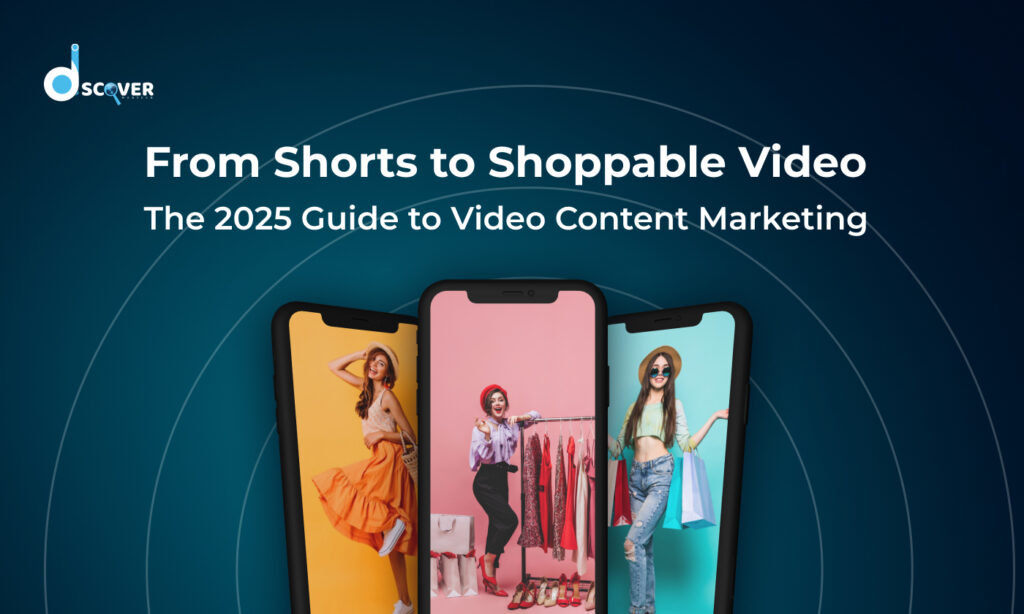
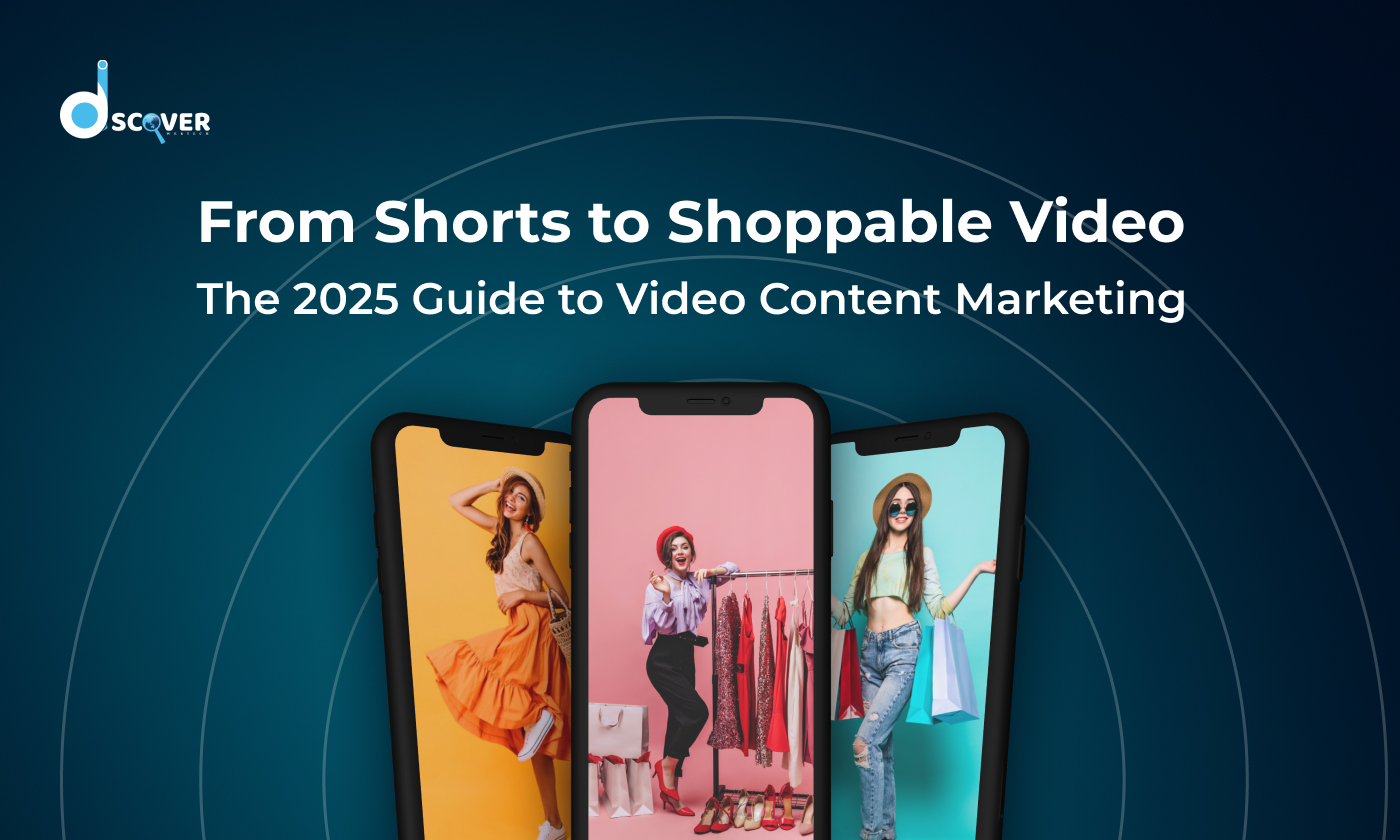
Video content marketing has dramatically evolved over the last decade. What started with long, traditional videos on platforms like YouTube has transformed into a fast-paced, diverse landscape where brands connect with audiences in more engaging ways.
Initially, videos were mostly lengthy ads or tutorials, requiring viewers to invest significant time. But with the rise of social media and mobile devices, audiences began favoring short, snappy content that fits their busy lifestyles. This shift led to the popularity of short-form videos such as TikTok, Instagram Reels, and YouTube Shorts formats designed to grab attention quickly and boost engagement.
At the same time, shoppable videos are reshaping how consumers buy online. These videos let viewers shop directly from the content, simplifying the path from interest to purchase and driving more sales. Technology advancements have also introduced interactive, personalized, and immersive video experiences, including live streams and augmented reality features, pushing video marketing to new creative heights.
Table of Contents
2. Why Video Marketing is Crucial in 2025
Video marketing continues to dominate digital strategies in 2025 because it’s one of the most engaging and effective ways to capture audience attention. With internet speeds improving and mobile usage skyrocketing, people prefer watching videos over reading lengthy texts. Videos convey messages quickly, boost brand recall, and drive higher conversion rates, making them essential for businesses wanting to stay competitive.
Additionally, video formats have evolved to meet modern consumer habits, including short-form clips, live streams, and shoppable videos that blend entertainment with instant purchasing. These innovations make video marketing not just a tool for awareness but also a direct driver of sales and customer engagement. In today’s fast-paced digital world, incorporating video into your marketing mix is no longer optional, it’s a necessity.
3. Understanding Short-Form Video Content
Short-form video content has become a dominant force in digital marketing, especially in 2025. These quick, engaging clips are designed to capture attention fast and deliver your message in seconds. Brands that master short-form videos can reach wider audiences, boost engagement, and stay relevant in today’s fast-paced online world.
3.1 What Are Shorts?
Shorts are videos typically between 15 to 60 seconds long that focus on delivering concise, impactful content. Perfect for mobile users and fast scrollers, shorts can generate more than twice the engagement of longer videos, prioritize entertainment, education, or storytelling in a compact format that keeps viewers hooked without demanding too much time.
3.2 Popular Platforms for Short-Form Videos
TikTok revolutionized short-form video content with its easy-to-use editing tools and viral trends. Instagram Reels followed, integrating short videos into the Instagram experience. YouTube Shorts brought this format to the world’s largest video platform. Other platforms like Snapchat Spotlight and Facebook also support short videos, allowing brands to diversify their reach and engage audiences on multiple channels.
3.3 Best Practices for Creating Engaging Shorts
To create effective shorts, hook your audience within the first few seconds using bold visuals or intriguing questions. Keep your message focused and straightforward. Leverage trending sounds, challenges, and hashtags to improve discoverability. Authenticity matters when people connect with genuine, relatable content over highly polished videos. Finally, end with a clear call to action, encouraging viewers to engage by liking, commenting, or following your page.
4. The Rise of Shoppable Videos
Shoppable videos are transforming the way consumers interact with brands by blending entertainment and seamless shopping experiences. This innovative format allows viewers to discover products and make purchases directly from the video, making the buying process faster and more intuitive than ever before.
4.1 What is Shoppable Video Content?
Shoppable video content integrates clickable links or interactive elements within a video that let viewers shop featured products without leaving the video platform. Whether it’s a product demo, fashion lookbook, or lifestyle clip, these videos provide a direct path from inspiration to purchase, reducing friction in the customer journey.
4.2 Benefits for Brands and Consumers
For brands, shoppable videos boost engagement, increase conversion rates, and shorten the sales cycle by turning passive viewers into active buyers instantly. They also offer valuable insights into consumer behavior through interactive analytics. Consumers enjoy a more convenient and immersive shopping experience, discovering products naturally within content they already love, without extra steps or redirects.
4.3 How to Implement Shoppable Videos in Your Strategy
To successfully add shoppable videos to your marketing mix, start by choosing the right platform that supports interactive video features, such as Instagram Shopping, YouTube’s merch integration, or dedicated e-commerce video tools. Create visually appealing videos that highlight key products clearly and include clickable tags or buttons. Make sure the video content aligns with your brand story to maintain authenticity. Promote these videos across your social channels and website for maximum reach. Finally, track performance metrics like click-through rates and purchases to refine your approach over time.
5. Video Content Marketing Trends to Watch in 2025
The landscape of video content marketing continues to evolve rapidly, with new trends emerging that reshape how brands engage their audiences. In 2025, marketers need to stay ahead by embracing interactive and immersive videos, live streaming, and personalized experiences each offering unique ways to captivate viewers and build stronger connections.
5.1 Interactive and Immersive Videos
Interactive videos invite viewers to participate actively rather than passively consuming content. This can include clickable hotspots, quizzes, polls, or choose-your-own-adventure style storytelling. By involving the audience directly, interactive videos increase engagement, boost retention, and provide valuable insights into viewer preferences. Immersive videos, such as those using virtual reality (VR) or augmented reality (AR), transport viewers into a more engaging and memorable environment. These technologies allow brands to showcase products, services, or experiences in a way that feels real and compelling, setting them apart from traditional video formats.
5.2 Live Streaming and Real-Time Engagement
Live streaming has become a powerful tool for real-time interaction between brands and their audiences. Platforms like Instagram Live, YouTube Live, and TikTok Live enable marketers to host Q&A sessions, product launches, behind-the-scenes tours, and events as they happen. The immediacy of live video creates a sense of urgency and authenticity, encouraging viewers to participate through comments, reactions, and shares. This real-time engagement strengthens brand trust and builds community by fostering direct, two-way communication.
5.3 Personalized Video Experiences
Personalization is key to cutting through the noise in today’s crowded digital space. Personalized video content tailors messages and offers based on individual viewer data, such as browsing behavior, purchase history, or location. This approach makes the content more relevant and compelling, increasing the likelihood of conversion. Examples include personalized product recommendations within videos, custom greetings, or dynamic content that changes based on viewer preferences. Advances in AI and data analytics have made it easier for marketers to deliver these tailored experiences at scale, enhancing customer satisfaction and loyalty.
6. Optimizing Video Content for SEO and Discoverability
To get the most out of your video marketing efforts, optimizing your video content for SEO and discoverability is essential. Proper optimization helps your videos rank higher in search results, reach a wider audience, and drive more traffic to your website or channel.
6.1 Video SEO Basics
Video SEO starts with choosing the right keywords related to your video topic. Include these keywords naturally in your video title, description, and tags to help search engines understand your content. Use compelling thumbnails and create engaging titles that encourage clicks. Hosting your videos on platforms like YouTube, which is the second largest search engine, can also boost visibility.
6.2 Leveraging Captions and Transcripts
Adding captions and transcripts not only improves accessibility but also enhances SEO. Captions make it easier for viewers to understand your content, especially in noisy environments or for those with hearing impairments. Transcripts provide a full text version of your video, which search engines can crawl and index, helping your video appear in more relevant search queries. Many platforms offer automatic captioning tools, but it’s best to review and edit these for accuracy.
6.3 Using Video Schema Markup
Video schema markup is a type of structured data you add to your webpage’s HTML code to help search engines better understand your video content. Implementing schema can improve your video’s chances of appearing in rich snippets or video carousels in search results, increasing click-through rates. Schema markup provides details such as video duration, thumbnail, upload date, and description, making your content more attractive and informative to search engines and users alike.
7. Measuring Video Marketing Success
Measuring the success of your video marketing efforts is crucial to understand what’s working, optimize your strategy, and maximize your return on investment (ROI). In 2025, with video content saturating digital channels, data-driven insights help marketers fine-tune campaigns, improve audience engagement, and drive meaningful business results. To effectively measure video marketing success, it’s important to focus on key performance metrics and use the right analytics tools.
7.1 Key Metrics to Track
- View Count: The total number of views your video receives is a basic but important metric. It indicates how many times your content has been watched, showing its reach and popularity. However, view count alone doesn’t tell the full story of engagement or effectiveness.
- Watch Time and Average View Duration: Watch time measures the total amount of time viewers spend watching your video, while average view duration reveals how long viewers watch before dropping off. High watch time and longer average view durations suggest that your content is engaging and holds viewers’ attention.
- Engagement Rate: Engagement includes likes, comments, shares, and clicks on interactive elements within your video. A high engagement rate indicates your audience finds the content valuable and is motivated to interact, which helps boost organic reach through platform algorithms.
- Click-Through Rate (CTR) : CTR measures how often viewers click on a call-to-action (CTA) link or button associated with your video. This metric shows how effective your video is at driving traffic to your website, landing pages, or product pages.
- Conversion Rate: Conversion rate tracks the percentage of viewers who take a desired action after watching your video, such as making a purchase, signing up for a newsletter, or filling out a form. This is a critical metric for measuring the direct impact of video marketing on your business goals.
- Bounce Rate and Retention: For videos embedded on your website, bounce rate indicates the percentage of visitors who leave after viewing the video without further interaction. Retention metrics help you understand where viewers lose interest, guiding improvements in content or format.
7.2 Tools and Analytics for Video Performance
Several tools are available to track and analyze video marketing performance:
- YouTube Analytics: Offers in-depth insights into views, watch time, audience demographics, traffic sources, and engagement on YouTube videos.
- Google Analytics: When integrated with your website, it helps measure video-driven traffic, user behavior, conversions, and the effectiveness of video landing pages.
- Vimeo Analytics: Provides detailed data on plays, finishes, engagement graphs, and viewer locations for videos hosted on Vimeo.
- Social Media Insights: Platforms like Facebook, Instagram, and TikTok offer built-in analytics to monitor video performance, including reach, engagement, and audience demographics.
Dedicated Video Marketing Tools: Tools like Wistia, Vidyard, and Brightcove provide advanced analytics, heatmaps, A/B testing, and integration with marketing automation platforms for deeper insights.
Conclusion: Future-Proof Your Video Marketing Strategy
To stay ahead in 2025, future-proofing your video marketing means embracing evolving formats like short-form, shoppable, and interactive videos that match changing audience behaviors. Leveraging data and advanced tools for personalization, analytics, and SEO will help optimize your content’s reach and effectiveness. Regularly experimenting with new styles and technologies ensures your strategy remains fresh and impactful.
Most importantly, focus on authentic storytelling that builds genuine connections and trust with your audience. By staying adaptable, audience-focused, and data-driven, you’ll create a resilient video marketing strategy that drives long-term growth and success in a fast-changing digital world.
Check out our latest blog on – “PPC Campaign Audit for E-commerce: What Most Marketers Miss”