1. Introduction: The Rise of LLMs in Website Optimization
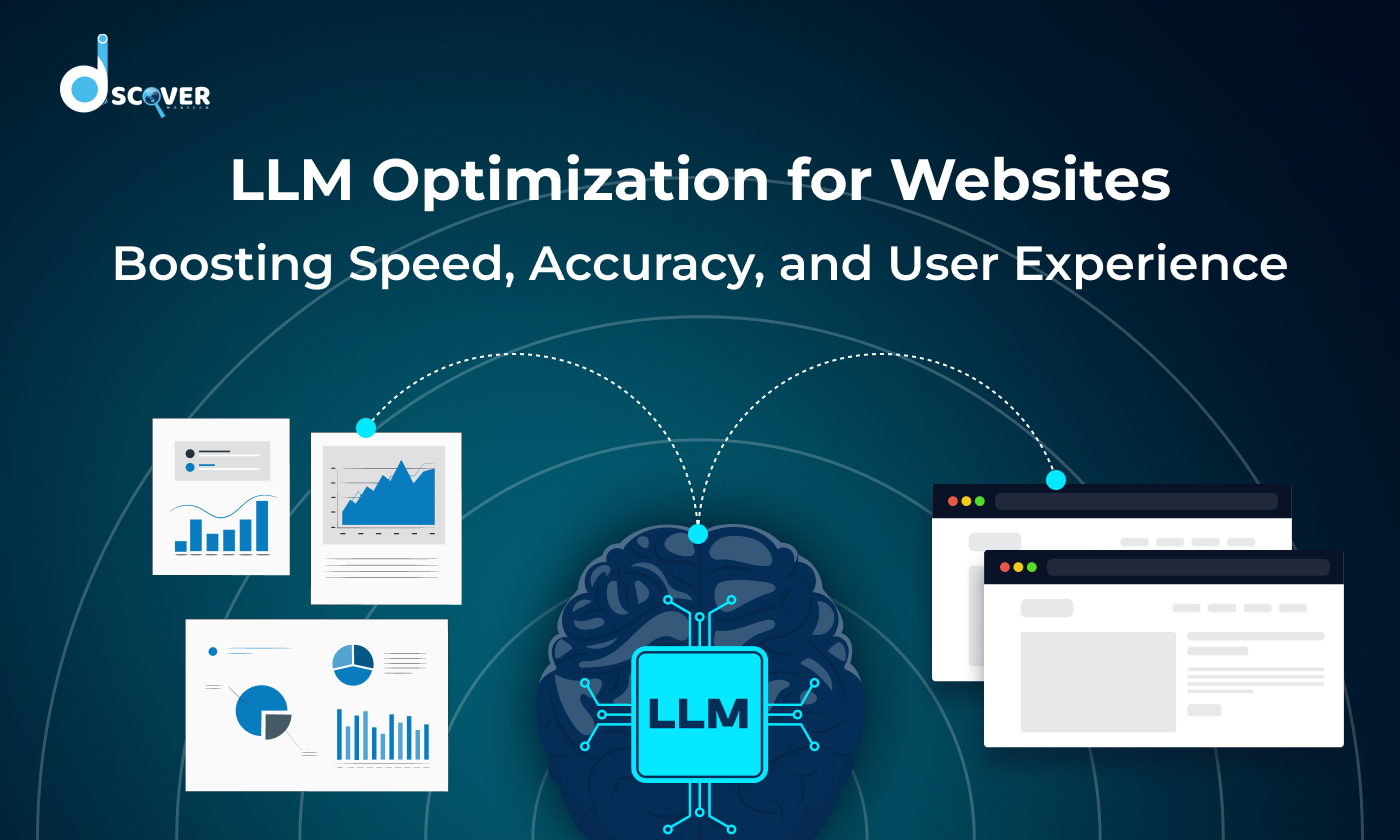
In the past few years, websites have gone through massive changes. From static pages to interactive platforms, the focus has always been on making websites faster, smarter, and more user-friendly. Now, a new technology is reshaping this space: Large Language Models (LLMs).
LLMs are not just about generating text. They are transforming how websites operate. They help websites understand user intent better, deliver more accurate results, and even personalize experiences in real time. Instead of relying only on traditional optimization methods like compressing images or improving code speed, businesses are now using AI-powered models to enhance both performance and user experience.
The rise of LLMs in website optimization is not just a trend. It is becoming a necessity. In a digital world where users expect instant answers, smooth navigation, and personalized content, LLMs are the secret ingredient that bridges the gap between technology and human-like interaction.
Table of Contents
2. Enhancing Website Speed with LLM Optimization
Website speed is one of the most important factors for keeping users engaged. Even a delay of a few seconds can make visitors leave a site. Large Language Models (LLMs) are now being used to make websites faster by analyzing traffic patterns, predicting user needs, and managing content delivery in smarter ways.
What makes LLMs different from traditional optimization methods is their ability to adapt in real time. Instead of relying only on fixed rules or static improvements, they continuously learn from user behavior and system performance. This means websites can stay fast and efficient even during high-traffic periods or when users interact in unexpected ways.
2.1 AI-driven caching and load balancing
Traditional caching stores frequently used data to speed up page loads. With LLMs, caching becomes smarter. Instead of simply storing static data, LLMs can predict what type of content a user is most likely to request and prepare it in advance. This predictive caching reduces waiting time and makes the browsing experience seamless.
LLMs can also support load balancing. When thousands of users access a site at once, AI helps distribute traffic across servers efficiently, preventing crashes or slowdowns.
2.2 Faster content delivery and reduced latency
LLMs also improve how content is delivered to users. By analyzing data in real time, they can suggest the best path for content delivery, which minimizes delays. For example, instead of sending a user’s request through multiple unnecessary steps, LLMs ensure the shortest and fastest route is taken.
This reduces latency, meaning users get responses almost instantly. Whether it is loading a product page, streaming a video, or searching for information, LLM optimization ensures speed is never compromised.
3. Improving Accuracy Through Smart Content Delivery
Speed alone is not enough if a website cannot deliver accurate information. Users today expect search results, recommendations, and answers that match their intent, not just their keywords. This is where LLM optimization makes a big difference. By understanding context, analyzing behavior, and predicting user needs, LLMs ensure that websites provide the most relevant and reliable content every time.
With LLMs, websites can interpret complex queries and provide precise answers, even when the question is vague or phrased differently. They can also adapt in real time, learning from user interactions to improve future responses. This not only enhances the user experience but also builds trust, making visitors more likely to engage with the site and return in the future.
3.1 Semantic search for better results
Traditional search engines on websites often rely on exact keyword matches. If a user’s wording is slightly different, they may not get the right result. LLMs improve this with semantic search. Instead of focusing only on words, semantic search understands the meaning behind the query.
- Understands user intent: Goes beyond keywords to grasp what the user is really asking.
- Handles varied phrasing: Delivers accurate results even if users phrase queries differently.
- Improves content relevance: Ensures search results match context, not just exact words.
For example, if someone searches for “best phone for night photography,” the system will recognize that the intent is about camera quality, not just the word “phone.” This leads to results that are far more useful and accurate, creating a better experience for the user.
3.2 Error reduction in queries and recommendations
LLMs also reduce mistakes in query handling and recommendations. Instead of offering irrelevant suggestions or misinterpreting user input, they use context to refine results. For instance, if a user searches for “Apple,” the system can determine whether they mean the fruit, the brand, or specific products based on browsing history or current page context.
This accuracy minimizes user frustration and builds trust, as visitors feel understood by the website. Over time, such precise results improve engagement and even increase conversions for businesses.
4. Boosting User Experience with Personalized Interactions
A fast and accurate website is important, but user experience takes engagement to the next level. LLM optimization helps websites feel smarter and more intuitive by tailoring content and interactions to individual visitors. This creates a more engaging experience and keeps users coming back.
LLMs also enable websites to adapt in real time. As users navigate the site, the system can adjust recommendations, highlight relevant sections, or even change the way information is presented based on behavior and preferences. This dynamic adaptability makes every visit feel personalized and relevant, improving satisfaction and encouraging repeat visits.
4.1 Dynamic content tailored to user intent
LLMs can analyze user behavior in real time to deliver content that matches their interests. For example, if a visitor frequently browses a certain category, the website can highlight related articles, products, or recommendations. This personalization makes the experience more relevant, helping users find what they need faster and increasing satisfaction.
Beyond simple recommendations, LLMs can also adjust the layout, prioritize certain sections, or even modify headlines and descriptions based on what a user is likely to engage with. For instance, a returning visitor might see content they missed during their previous visit, while a new visitor could receive introductory guides or highlights. This level of dynamic customization ensures that every interaction feels unique and tailored to the individual, which strengthens user engagement and encourages them to spend more time on the site.
4.2 Conversational AI for seamless engagement
Conversational AI powered by LLMs allows users to interact naturally with the website. Chatbots, virtual assistants, or interactive guides can answer questions, provide suggestions, or even assist with purchases instantly. This reduces friction and makes the website feel more like a helpful partner than just a static platform. Key benefits include:
- Instant responses: Users get answers to their questions immediately without waiting.
- Guided navigation: AI can help visitors find relevant pages, products, or information effortlessly.
- Personalized suggestions: Recommendations and solutions are tailored to individual user behavior.
- Support for transactions: Conversational AI can assist with bookings, purchases, or form submissions smoothly.
- Enhanced engagement: Natural, human-like interactions make the website more enjoyable and trustworthy.
By combining dynamic content and conversational AI, websites can offer experiences that feel personal, intuitive, and human-like, improving both engagement and conversion rates.
5. Practical Applications of LLM Optimization in Websites
LLM optimization is not just theoretical. It has many real-world applications that can transform how websites interact with users. From automating support to delivering smart recommendations, LLMs make websites more intelligent, responsive, and user-friendly. Key applications include:
Beyond improving efficiency, LLMs also help websites provide a more personalized and engaging experience. By analyzing user behavior, preferences, and interactions, they can adapt content, suggest relevant resources, and even predict what users might need next. This proactive approach makes websites feel more intuitive and ensures visitors get the most value from their experience.
5.1 Chatbots and virtual assistants
Chatbots and virtual assistants powered by LLMs have transformed the way websites interact with users. They provide instant, accurate, and personalized support, making the experience smoother and more engaging. By handling routine queries and guiding users through processes, they allow businesses to focus on more complex tasks while ensuring visitors get the help they need quickly.
Chatbots and virtual assistants powered by LLMs offer natural, human-like interactions. They can:
- Answer frequently asked questions instantly, reducing wait time for users.
- Guide visitors through complex processes, like product selection or account setup.
- Provide personalized support based on user history and preferences.
- Free up human resources by handling routine queries efficiently.
5.2 Content summarization and smart recommendations
LLMs are highly effective at processing large volumes of information quickly and accurately. By analyzing user behavior, interests, and content patterns, they can deliver concise summaries and suggest the most relevant resources. This not only saves time for users but also helps them discover content that matches their needs and preferences.
LLMs can analyze large amounts of content to provide concise summaries and meaningful suggestions. Benefits include:
- Content summarization: Helps users quickly understand articles, reports, or product descriptions.
- Smart recommendations: Suggests products, articles, or resources based on user behavior and interests.
- Enhanced user engagement: Visitors can find relevant content faster, keeping them on the site longer.
- Increased conversions: By offering the right recommendations at the right time, LLMs can boost sales, sign-ups, or other desired actions.
Using these practical applications, websites can operate more efficiently, serve users better, and create experiences that feel personalized and intelligent.
6. Challenges and Risks of LLM-Powered Websites
Implementing LLM optimization brings numerous advantages, but it also comes with challenges that businesses need to carefully manage. Ignoring these risks can result in errors, privacy issues, or even damage to brand reputation.
Another key concern is ensuring that the AI is aligned with business goals and user expectations. LLMs can sometimes generate unexpected or irrelevant results if not properly trained or monitored. Businesses need to continuously evaluate performance, refine models, and set clear guidelines to make sure the AI adds value rather than creating confusion or frustration for users.
6.1 Balancing automation with human oversight
While LLMs can automate many tasks, they are not perfect and require human supervision to maintain quality and accuracy. Businesses need to monitor AI-generated content, ensure critical decisions are overseen by humans, and continuously update the system with relevant data. This balance between automation and oversight ensures that websites remain reliable and deliver trustworthy information to users.
Human oversight helps identify and correct errors that AI might miss, such as misinterpretations of complex queries or context-specific nuances. It also allows businesses to provide a more personalized touch, especially in situations where empathy, judgment, or creativity is required. Without this oversight, fully automated systems risk producing content or recommendations that could confuse users, harm engagement, or even lead to reputational issues. Maintaining a thoughtful balance between AI efficiency and human control is essential for achieving both accuracy and a high-quality user experience.
6.2 Privacy, Data Security, and Ethical Concerns
When implementing LLMs on websites, businesses must address several critical areas to ensure responsible use of AI and maintain user trust. Privacy, data security, and ethical considerations are interconnected, and managing them effectively is essential for a safe and reliable AI experience.
Privacy
LLMs rely on large amounts of user data to function effectively, which makes privacy a major concern. Companies need to collect, store, and use data responsibly, ensuring that users are informed and have control over their personal information. Transparent privacy policies, clear consent mechanisms, and options for users to manage their data help build trust. By prioritizing privacy, businesses demonstrate that they value user rights while leveraging AI to enhance website functionality.
Data Security
Protecting sensitive information is crucial when using LLMs. Organizations must implement strong security measures, such as encryption, secure storage, and regular system audits, to prevent breaches or unauthorized access. Data security safeguards not only user information but also the reputation of the business. A secure system ensures that LLMs can perform optimally without putting user data at risk, which is critical for maintaining credibility and trust.
Ethical Concerns
Ethical considerations are equally important in AI deployment. LLMs must avoid biases in recommendations, search results, or automated decisions to ensure fair treatment of all users. Regular monitoring, audits, and ethical reviews help maintain accountability and transparency. By addressing ethical concerns, businesses can ensure that AI enhances the user experience responsibly while supporting equitable and unbiased interactions.
7. Future Trends in LLM Website Optimization
LLMs are evolving to make websites more interactive, predictive, and personalized. Future sites will anticipate user needs, provide tailored content, and deliver intelligent guidance, turning static platforms into dynamic and intuitive experiences.
Integration with technologies like AR, VR, and IoT will create immersive experiences, while AI-powered tools will improve accessibility and inclusivity through captions, translations, and simplified content. These trends will enhance engagement, satisfaction, and conversions for users and businesses alike.
7.1 Multi-modal LLMs for richer experiences
Future LLMs will increasingly be multi-modal, meaning they can process and generate not just text, but also images, audio, and video. This opens up new possibilities for websites, such as interactive tutorials, AI-generated visual content, and personalized multimedia recommendations. Multi-modal LLMs can understand user queries in multiple formats and respond in ways that feel more immersive and engaging. For example, a user could ask a question about a product and receive a combination of text instructions, product images, and a short video demonstration, all generated dynamically.
7.2 AI-powered accessibility and inclusivity
Another major trend is using LLMs to make websites more accessible and inclusive. AI can automatically generate captions for videos, create alt text for images, provide simplified summaries for complex content, and even offer real-time translations. This ensures that users with different abilities, languages, or levels of expertise can fully access and interact with a website. By leveraging AI for accessibility, businesses not only comply with regulations but also reach a broader audience and enhance the overall user experience.
8. Conclusion: Smarter, Faster, and More Human-Centered Websites
LLM optimization is transforming websites into smarter, faster, and more human-centered platforms. By improving speed, accuracy, personalization, and engagement, LLMs help businesses deliver seamless experiences that meet modern user expectations.
From dynamic content and conversational AI to predictive recommendations and enhanced accessibility, these technologies make websites more intuitive, reliable, and inclusive. As LLMs continue to advance, adopting them early allows businesses to stay ahead, build trust with users, and create digital experiences that are not only efficient but also meaningful and engaging.
Looking ahead, the potential of LLMs extends even further. Websites will increasingly anticipate user needs, offer immersive multimedia experiences, and provide intelligent insights in real time. Businesses that leverage these innovations will not only enhance user satisfaction but also gain a competitive edge, positioning themselves for long-term success in an AI-driven digital landscape.
Check out our latest blog on – “What Is Google’s Nano Banana AI and How Can It Help Small Business Websites?”