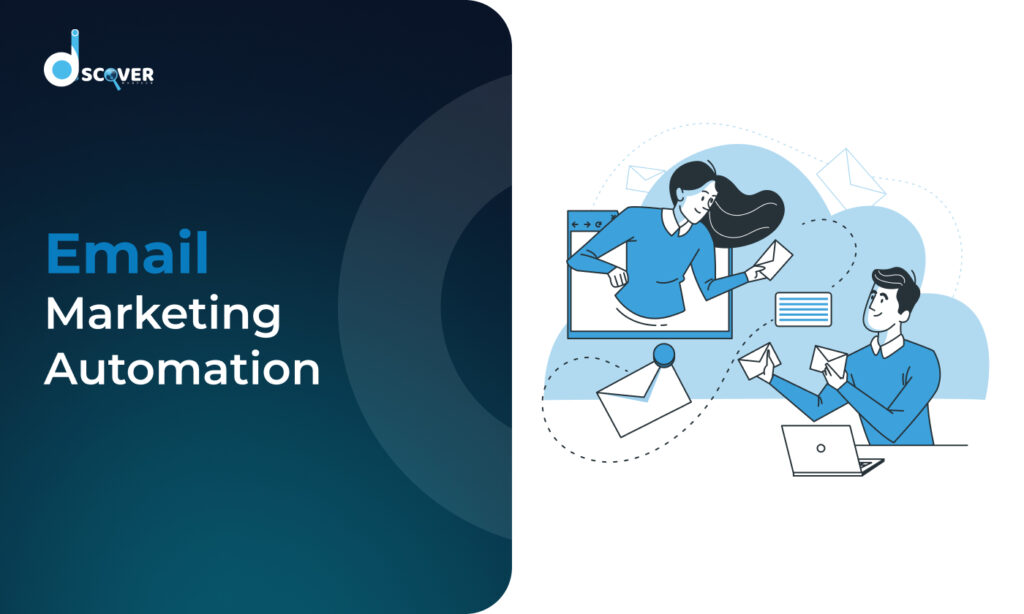
At Discover WebTech, we believe that email marketing automation isn’t just a buzzword—it’s a powerful tool that helps businesses build real, lasting relationships with their audience. Email marketing automation is all about using technology to send the right message to the right person at the right time, based on actions, preferences, and data we carefully gather and segment.
Through our work, we’ve seen how well-designed automated workflows—driven by smart triggers, audience segments, and drip campaigns—can dramatically boost engagement, save time, and increase conversions. Let’s explore what this looks like in practice and why it matters.
Why Email Automation Matters for Modern Marketing
At its heart, email marketing automation helps us personalize communication at scale. Instead of sending generic bulk emails, our team members set up sequences that respond dynamically to each user’s behavior—like signing up, making a purchase, or even abandoning a cart.
We’ve noticed that these automated emails consistently outperform one-off campaigns. For instance, well-timed workflows often achieve higher open rates (sometimes above 60%) and significantly better click-through rates. Automation helps us create seamless journeys that gently guide subscribers from first interaction to loyal customer.
The Three Core Elements: Triggers, Segments, and Drip Campaigns
Triggers
Triggers are the spark that sets an automated email sequence into motion. At Discover WebTech, we use a mix of triggers, including:
- Behavioral triggers – actions like signing up for a newsletter, downloading a guide, making a purchase, or leaving items in a shopping cart
- Date-based triggers – birthdays, anniversaries, or subscription renewal reminders
- Status-based triggers – becoming a new customer, a VIP shopper, or someone who hasn’t engaged in a while
Our team members design these triggers so that emails always feel timely, relevant, and valuable—not random or intrusive.
Segments
Segmentation is how we ensure the right message goes to the right group. Our team members regularly build and refine segments based on data like:
- Demographics (age, location, interests)
- Purchase history
- Engagement level (frequent openers vs. dormant subscribers)
By grouping people this way, we can tailor our messaging. For instance, we might send exclusive offers to loyal buyers while sending educational content to new subscribers. Segmentation helps every email feel personal—even when we’re sending thousands.
Drip Campaigns
A drip campaign is a carefully crafted series of emails that guide subscribers through a journey, “dripping” content over days or weeks. At Discover WebTech, our team members often create drip campaigns like:
- Welcome series to introduce our client’s brand story and best offers
- Lead nurturing flows that share valuable insights and product benefits
- Abandoned cart sequences to bring shoppers back
- Re-engagement campaigns to win back subscribers who’ve gone quiet
Each campaign is designed with a clear goal and every email in the series builds toward that goal.
How We Build an Email Automation Workflow
Here’s a simplified version of how we create successful automated email workflows:
- Define the objective – e.g., boost sales, welcome new users, recover abandoned carts
- Choose the right trigger – maybe it’s a sign-up or a cart abandonment
- Segment the audience – so we’re only targeting those who should receive this specific message
- Design the drip sequence – write and schedule 3–7 emails that tell a cohesive story
- Automate and monitor – set the campaign live and track performance
- Refine and improve – use data to tweak timing, messaging, and audience segments
This approach helps our team members deliver email campaigns that feel personalized and truly serve the recipient.
Real-Life Examples We Create
To bring this to life, here are a few types of campaigns we often set up for our clients:
- Welcome series – triggered when someone signs up; shares the brand story and offers
- Abandoned cart emails – triggered when a user adds products to their cart but doesn’t check out
- Lead nurture campaigns – triggered after downloading a free guide or joining a webinar
- Product education – a drip series explaining how to get the best use from a new product
- Re-engagement emails – targeting subscribers who haven’t opened an email in 60–90 days
Each of these campaigns helps move people closer to a purchase or keeps them engaged with the brand.
Benefits We’ve Seen for Our Clients
Our team members have witnessed firsthand how email marketing automation delivers real business value:
- Saves time – campaigns run automatically, so marketing teams can focus on strategy and content
- Personalizes communication at scale – thanks to dynamic content and segments
- Improves ROI – targeted, relevant emails lead to higher engagement and conversions
- Gathers valuable data – we learn what resonates with different customer groups
These benefits help businesses stay connected with their audience, even as that audience grows.
Best Practices from Our Experience
Over the years, we’ve discovered some practical tips that make automated email campaigns more effective:
- Map every email to the user journey – ensure emails make sense in context
- Write clear, compelling content – with a single, focused call to action
- Don’t overload subscribers – respect their inbox with the right cadence
- Test everything – subject lines, timing, design, and offers
- Keep lists clean – remove inactive subscribers to maintain deliverability
- Update regularly – refreshing campaigns keeps them relevant as products, seasons, or strategies change
These practices keep campaigns fresh and customer-focused.
Tools We Trust
To bring these strategies to life, we rely on trusted email marketing automation tools, including:
- Mailchimp
- ActiveCampaign
- HubSpot
- Klaviyo
- Salesforce Marketing Cloud
Each offers strong features for triggers, segmentation, analytics, and drip campaigns—so we can choose the right fit based on client needs and scale.
Looking Ahead
Email marketing automation keeps evolving. We’re excited about trends like:
- AI-powered content that adapts in real time to user behavior
- Dynamic send times that optimize delivery based on when each user typically opens emails
- Deeper integration with SMS, chat, and web personalization for an omnichannel experience
At Discover WebTech, our team members stay up to date so we can help clients benefit from the latest innovations.
Conclusion
For us at Discover WebTech, email marketing automation is more than a set-it-and-forget-it tool. It’s about creating genuine, data-informed connections that respect subscribers’ time and interests. By thoughtfully combining triggers, segments, and drip campaigns, we help brands tell their story, keep audiences engaged, and drive measurable results.
If you’d like our team members to help design or refine your email automation strategy, we’d love to talk. Together, let’s build campaigns that work—automatically.
Check out our latest blog on “How to Create a Google Ads Campaign: Step-by-Step Guide for Beginners”