A Hybrid Cloud Story for Founders
The City
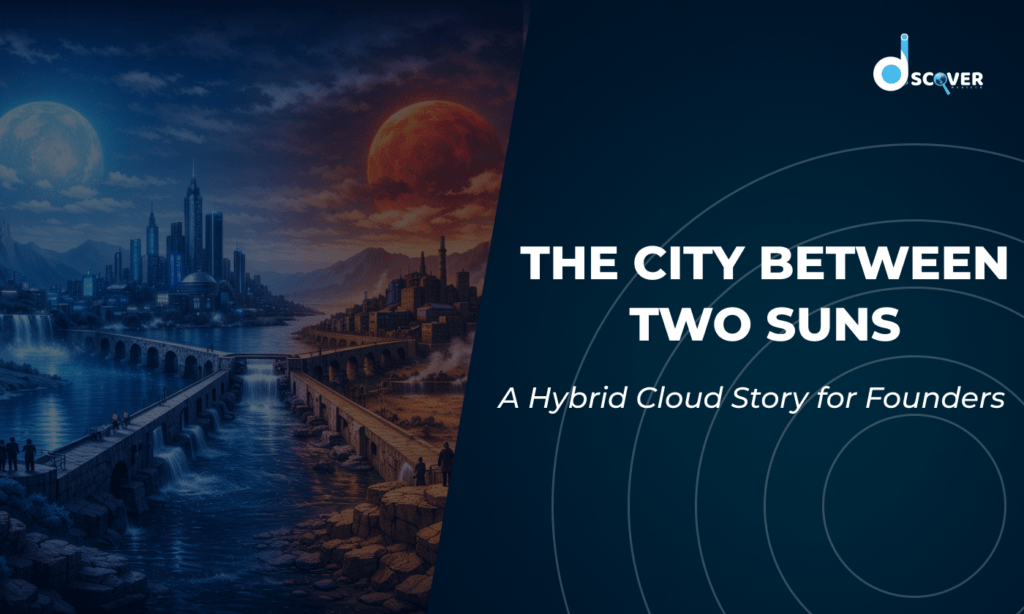
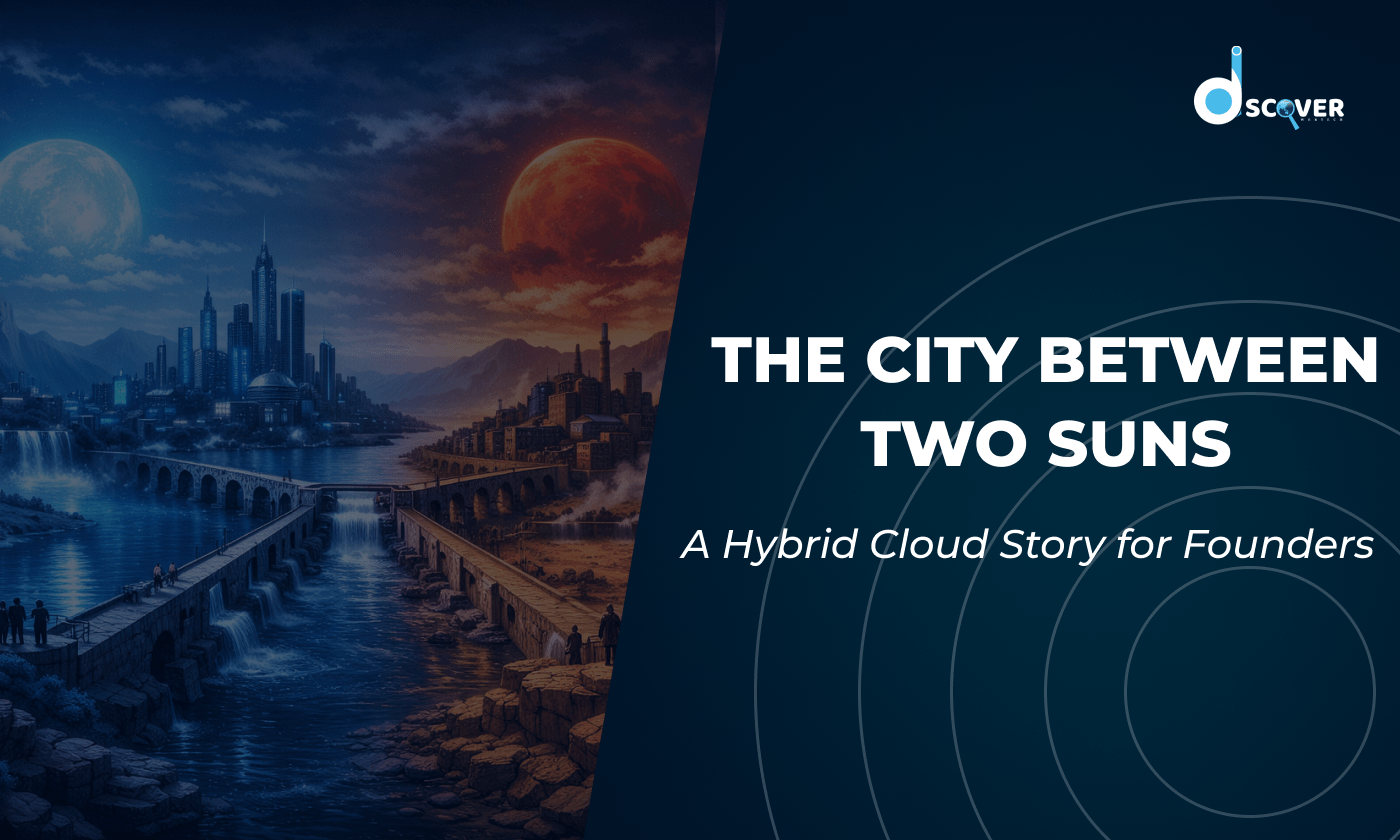
Meridian was a city built between two suns. The eastern sun was fast and generous. Under it, crops grew quickly, buildings went up overnight, and the builders on that side never had to plan far ahead because things always seemed to work out. The western sun was slower and harder. The builders there dug deep wells, stored water, and prepared for dry months because they knew from experience that easy times do not last forever. For years, the two sides of the city stayed apart and did not think much of each other.
Then the drought came. The eastern side ran out of water in weeks. They had no reserves because they had never needed them. People moved west looking for help, but the western side was not built to absorb a sudden wave of people. Meridian nearly collapsed.
A small group of engineers saved it. For years, they had been quietly building a canal system that connected both sides of the city. When the drought hit, those canals moved water from where it existed to where it was needed. Most people in Meridian had never heard of the canal system. After the drought, nobody forgot it.
The Startup Version of This Story
If you have been building a SaaS product for any length of time, you have already lived some version of this. The eastern sun is your public cloud. AWS, Google Cloud, Azure. It is fast, available at any hour, and easy to start with. In the early days it feels like the answer to everything. The western sun is your other reality an enterprise client whose data cannot leave their servers, a compliance rule that limits what you can store in a shared environment, or a legacy system from an old acquisition that was never meant to work with modern infrastructure. Most founders ignore the western side for as long as possible. That is understandable. But at some point, ignoring it stops being a strategy.
Hybrid Cloud SaaS architecture is the canal system. It is building a product that does not pick one side but connects both so your system can run sensitive data on private infrastructure while keeping everything else on the cloud, and the user never notices the difference.
How It Works in Practice
The part of your system that manages the connection between your cloud and your private environment is called an API gateway. It works like a checkpoint. It decides what data moves, in what format, and under what rules. Your microservices are the individual workers on each side small, focused, and replaceable without shutting everything else down. This is different from a monolithic system where everything is fused together. A monolith is faster to build early on but much harder to change later, especially when you need parts of it to work across different environments.
Teams like Discover Web Tech help founders design this kind of system before it is built, which is always easier than rebuilding it after the fact. The decisions you make about where your data lives and how your services communicate have consequences that stay with your company for years.
Why It Matters
Companies that build only on the public cloud eventually hit the same set of problems. Cloud bills grow faster than expected. Dependency on a single provider becomes a real risk. Enterprise customers start asking about data residency and compliance, and the answers are not ready. Rebuilding the architecture at that point is expensive and slow. The companies that avoid this are not the ones with the best engineers. They are the ones who thought about both sides of the infrastructure early, before the drought arrived.
Meridian’s engineers did not know exactly when the rains would stop. They just knew that building a city prepared for only one kind of weather was a risk not worth taking. The founders who think the same way about their architecture tend to build companies that last.
The system you build early decides what your company can survive later.