1. Introduction: The New Face of Search
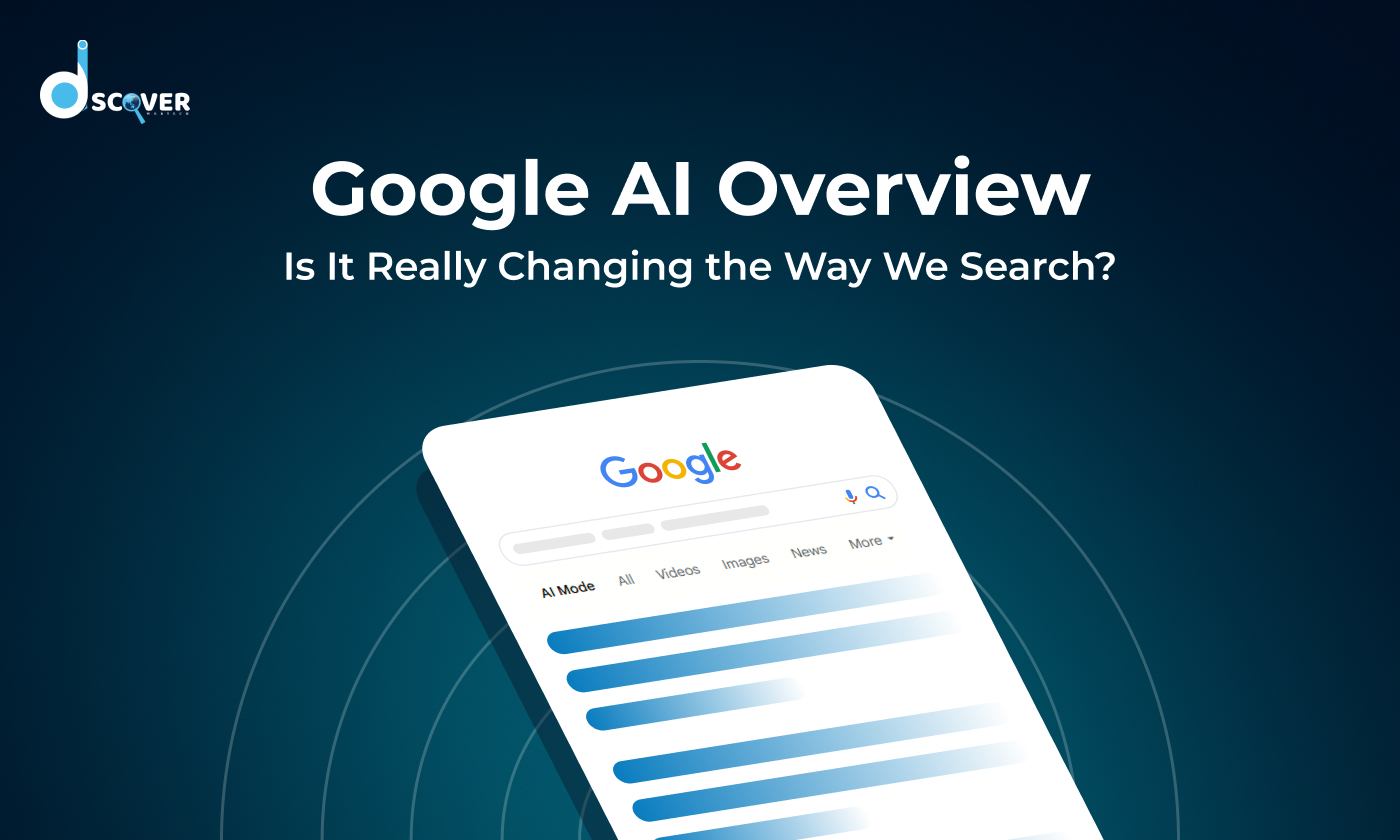
The way we search for information online is changing faster than ever, and Google AI is at the heart of this transformation. Traditional search used to rely heavily on keywords, type a phrase, get a list of links. Simple, predictable, and limited in understanding the real intent behind your query.
Now, with Google AI, search has become smarter, more intuitive, and personalized. It doesn’t just look for keywords anymore; it analyzes context, understands natural language, and predicts what you might actually be looking for. Whether it’s answering a question directly, suggesting related topics, or offering a personalized list of results, AI is redefining how users interact with search engines.
For businesses and content creators, this shift means adapting to a search landscape where relevance, quality, and user intent are more important than ever. For everyday users, it’s a more seamless experience, getting answers faster, discovering information more efficiently, and even interacting with search through voice or conversational AI.
Google AI is not just changing search; it’s creating a completely new way for people to find and interact with information online.
Table of Contents
2. AI Search vs. Traditional Search: A Paradigm Shift
The way we search for information online has gone through a massive transformation. Traditional search engines mainly relied on matching the words in your query with the content on web pages. If you typed a question, the engine would pull results containing those keywords. While this method worked, it often failed to capture the real meaning behind your search. You could end up sifting through dozens of pages to find a precise answer.
With the rise of AI-driven search, the focus has shifted from simply finding pages with matching words to understanding the intent behind each query. Google AI can interpret nuances in language, consider the context of previous searches, and even factor in location or trends to provide highly relevant results. This means users no longer have to craft perfect search phrases to get accurate answers, making the search experience more intuitive and efficient than ever before.
2.1 Key differences between AI-driven and traditional search
AI-driven search is a game-changer because it moves beyond simple keyword matching. Google AI uses advanced machine learning and natural language processing to understand context, intent, and even the subtle nuances of human language. This allows it to deliver results that are more accurate and relevant to what you are actually looking for.
For example, if you search for “best ways to boost productivity,” traditional search might return articles that only contain the words “boost” and “productivity.” Google AI, however, can analyze your query, recognize that you are looking for actionable tips, and provide summaries, step-by-step guides, or even videos that address your needs directly. This shift makes search faster, smarter, and more user-friendly.
2.2 How algorithms and user intent are changing
User intent has become the cornerstone of search. Modern AI algorithms no longer focus solely on exact keyword matches; instead, they prioritize understanding what users truly want to know. Whether someone is looking for a quick fact, a detailed guide, local business information, or a product recommendation, AI adapts the search results to meet those needs.
This change also affects content creation and SEO. Websites now need to focus on providing high-quality, informative content that satisfies user intent, rather than just targeting specific keywords. Google AI can evaluate the relevance and usefulness of a page, making search results more valuable for users.
In essence, the shift from traditional to AI-driven search is not just technical, it’s experiential. Users get faster, more precise, and context-aware answers, while businesses and creators must rethink how they present information. Google AI is not only changing search results; it’s redefining the entire search experience, making it more intelligent and aligned with real human needs.
3. Key Features of Google AI Transforming Search
As highlighted in this Google AI overview, modern search is no longer just about listing web pages. It is about delivering precise, useful, and highly personalized information. Google AI has introduced several key features that are reshaping the way users find and interact with information online, making search faster, smarter, and more intuitive.
These key features are not only improving the user experience but also influencing how businesses and content creators approach online visibility. With AI prioritizing relevance, context, and user intent, websites need to focus on creating high-quality, informative content that truly answers user queries. This shift means that simply using keywords is no longer enough. Instead, understanding what users are looking for and delivering content that satisfies their needs is essential to remain competitive in an AI-driven search landscape.
3.1 AI-powered snippets and answers
One of the most transformative features of Google AI is its ability to generate AI-powered snippets and direct answers. Instead of sifting through multiple websites to find the information you need, Google AI can summarize key points directly in the search results.
For instance, if you search for “how to reduce stress naturally,” you might see a snippet that lists meditation techniques, breathing exercises, and lifestyle tips, all pulled from high-authority sources. This reduces the time users spend searching and provides immediate value. AI-powered snippets are particularly useful for mobile users or those looking for quick solutions, showing how Google AI is designed to meet modern search behavior.
3.2 Personalized search experience
Personalization is another standout feature highlighted in this Google AI overview. Google AI analyzes user behavior, search history, location, device type, and even trending topics to deliver results tailored to each individual.
For example, two people searching for “best Italian restaurants” in the same city may receive different results based on their dining preferences or past searches. This ensures users get recommendations that are most relevant to them. Personalized search not only enhances user satisfaction but also helps businesses reach their target audiences more effectively. It also encourages users to rely on search engines for complex queries, as they trust the results will be specifically suited to their needs.
3.3 Voice search and conversational AI
Voice search and conversational AI are changing the way people interact with Google. With AI understanding natural language and context, users can ask questions as they would in a conversation and receive accurate, context-aware answers.
For example, a user could ask, “What’s the weather like in New York this weekend and what events are happening nearby?” and Google AI can provide a comprehensive response in one go. This makes search hands-free, faster, and more intuitive, especially on mobile devices and smart assistants. By integrating conversational AI, Google is transforming search from a simple query-response model into an interactive, dynamic experience that adapts to the user’s needs.
4. The Impact on User Behavior and Click-Through Rates
The rise of Google AI is not only changing search results but also how users interact with them. As AI becomes smarter at understanding intent and context, users are experiencing a more seamless and personalized search journey. This shift is influencing both search patterns and engagement metrics, fundamentally altering online behavior.
With AI analyzing past behavior, location, and preferences, users are now guided toward content that is most relevant to their needs. This means they spend less time scrolling through irrelevant results and more time engaging with pages that provide immediate value. The result is a shift in click-through rates, as AI-driven search surfaces the most useful and trustworthy content, influencing both what users explore and how they make decisions online.
4.1 Changes in search patterns and engagement
As Google AI continues to evolve, users are interacting with search results in ways that were not common with traditional search engines. AI makes it possible for search to understand context, anticipate needs, and deliver more relevant results. This shift is changing how users formulate queries, the type of content they engage with, and the speed at which they find answers.
Natural Language Queries Are Rising: Users now type or speak full questions instead of relying on keywords, expecting AI to understand context and provide meaningful results. For example, someone might ask, “How can I improve my focus while working from home?” instead of typing just “focus tips work.”
Increased Use of Voice Search: Voice assistants and smart devices are encouraging conversational searches, allowing users to interact naturally. This makes search more hands-free and convenient, especially on mobile devices.
Engaging with Snippets and Knowledge Panels: AI-powered snippets and knowledge panels often provide immediate answers on the search page. Users can get key information without clicking multiple links, making the search experience faster and more efficient.
Faster Decision Making: With AI summarizing content and highlighting the most relevant results, users spend less time searching and more time acting on the information they receive. This increases productivity and improves overall engagement.
4.2 How AI influences what users click and explore
Google AI is not only delivering more relevant results but also shaping the way users decide what to click on. By understanding user intent, context, and past behavior, AI guides attention toward content that is most likely to satisfy their needs. This has a direct impact on click-through rates and engagement, changing how people explore information online.
Personalized Recommendations: Google AI tailors search results based on a user’s search history, location, and preferences. This ensures that the content shown is highly relevant, increasing the likelihood of clicks.
Higher Click-Through for Relevant Content: Pages that match user intent with clear, concise, and valuable information attract more clicks, while irrelevant or low-quality content is often ignored.
Predictive Search and Suggestions: AI anticipates what users might want next, offering suggestions that guide their search journey. This helps users discover related topics without performing additional searches manually.
Shift Toward Quality and Clarity: Users increasingly prefer informative, well-structured content that answers their questions quickly. AI encourages creators to focus on delivering clarity and relevance over keyword-heavy pages.
5. The Benefits and Drawbacks of AI Overview
AI is constantly learning and evolving, which means search results are becoming increasingly sophisticated over time. This ongoing improvement allows users to receive more accurate and context-aware answers, but it also requires businesses and content creators to stay updated with the latest trends and algorithm changes. Adapting to these shifts ensures that content remains visible, relevant, and aligned with what users are actually searching for in an AI-driven environment.
5.1 Advantages of AI in search experiences
AI-powered Google search has brought significant improvements to how users search for information online. By leveraging machine learning and natural language processing, AI makes search faster, smarter, and more aligned with user intent. These advantages enhance the overall experience for both users and businesses by delivering more relevant, personalized, and actionable results.
- Smarter, Context-Aware Results: AI understands the intent behind queries, delivering results that are relevant and tailored to what the user actually wants.
- Time Efficiency: AI-powered snippets and summaries reduce the need to click through multiple links, helping users get answers quickly.
- Personalized Experience: Search results adapt to individual preferences, location, and past behavior, making content more useful and relevant.
- Improved Engagement: Users are more likely to interact with content that matches their intent and provides value, boosting engagement and satisfaction.
- Support for Voice and Conversational Search: AI enables users to ask complex, natural language questions and get meaningful responses, making search more intuitive and hands-free.
5.2 Limitations and potential challenges
While AI-driven Google search offers numerous benefits, it is not without its challenges. Users and businesses need to be aware of potential limitations that can impact search accuracy, privacy, and content strategy. Understanding these challenges helps in making the most of AI-driven search while avoiding common pitfalls.
- Dependence on Data Quality: AI relies on large amounts of data, and inaccurate or biased data can lead to misleading results.
- Privacy Concerns: Personalization requires data collection, which raises concerns about user privacy and data security.
- Over-Reliance on AI: Users may trust AI-generated answers too much without verifying information, which could lead to the spread of inaccurate content.
- SEO and Content Challenges: Businesses need to adapt their content strategy to AI-driven search, focusing on intent and quality rather than just keywords, which can be a steep learning curve.
- Complex Algorithm Changes: As AI evolves, search algorithms may change frequently, making it challenging for websites to maintain visibility and rankings consistently.
6. SEO in the Era of AI Overviews: A New Game
The rise of AI-driven search is completely transforming the way websites are ranked and how users discover content online. Traditional SEO strategies that focused primarily on keyword density and backlinks are no longer enough to secure top positions. AI now evaluates the overall relevance, quality, and intent behind content, which means businesses, marketers, and content creators must adopt a more holistic approach to stay competitive. Understanding AI’s influence on SEO is essential to creating content that resonates with both users and search engines.
6.1 How AI affects website rankings
AI-driven search algorithms are much smarter at assessing content than traditional search engines. They go beyond keywords to understand context, user intent, and overall value, affecting website rankings in multiple ways:
- Intent-Based Ranking: AI prioritizes websites that directly address what users are actually looking for, whether it’s informational, transactional, or navigational queries. This means content must answer questions clearly and comprehensively.
- Content Quality Matters More: Pages that provide well-researched, accurate, and detailed information are favored. Thin or repetitive content is less likely to rank.
- User Engagement Signals Influence Rankings: AI tracks user behavior such as time spent on a page, click patterns, bounce rates, and interaction with elements like videos or links. High engagement indicates value and boosts ranking potential.
- Dynamic and Personalized SERPs: AI delivers search results tailored to individual users based on location, previous searches, device type, and preferences. This means rankings may vary for different audiences, emphasizing the need for personalized content strategies.
- Semantic Understanding: AI interprets the meaning of content rather than just scanning for keywords, so contextually rich content that addresses topics thoroughly performs better.
6.2 Strategies to optimize content for AI-driven search
Optimizing for AI-driven search requires a shift in approach from keyword-focused SEO to creating content that satisfies user intent while remaining technically optimized for search engines. This means focusing on relevance, clarity, and value rather than just repeating keywords. Content must be structured in a way that both users and AI can easily understand, helping your website appear in featured snippets, voice search results, and other AI-powered search features. Additionally, staying updated with evolving AI algorithms ensures your content continues to perform well over time.
- Focus on User Intent: Conduct research to understand what users are really looking for and create content that provides comprehensive, actionable, and easy-to-understand answers.
- Structured and Clear Content: Organize content with headings, subheadings, bullet points, and short paragraphs to make it easier for AI to interpret and for users to read.
- Leverage AI-Friendly Formats: Include FAQs, tables, numbered lists, snippets, and visuals that AI can highlight directly in search results, increasing visibility and click-through.
- Improve Engagement Metrics: Encourage interaction with images, videos, internal links, call-to-actions, and interactive tools to boost user engagement signals that AI uses for ranking.
- Regularly Update Content: Keep content fresh, accurate, and relevant. AI favors authoritative and current information, which helps maintain rankings over time.
- Optimize for Voice and Conversational Search: Incorporate natural language phrases and questions that users might ask in voice searches to capture more traffic from smart devices and assistants.
7. The Future of Google Search: What’s Next?
The way we search online is evolving rapidly, and AI is at the center of this transformation. Google’s AI technology continues to improve in understanding context, intent, and user preferences, which will shape how people access information in the future. Search is no longer just about finding a list of links; it is becoming an intelligent assistant that provides answers, suggestions, and insights tailored to each individual. For businesses and content creators, this means that staying competitive requires a deep understanding of AI-driven search and how it influences user behavior. Adaptation and innovation will be key to maintaining visibility and engagement in this fast-changing landscape.
7.1 Emerging trends in AI search technology
AI search technology is advancing at an unprecedented pace, introducing features that make search faster, smarter, and more interactive. One of the most significant trends is conversational AI, which allows users to ask complex questions in natural language and receive context-aware answers, turning search into a two-way dialogue. Another emerging trend is multimodal search, which integrates text, voice, and images, enabling users to search with multiple inputs at once, such as taking a photo of a product and asking questions about it simultaneously. Additionally, predictive search and recommendation systems are becoming more sophisticated, anticipating user needs before they even finish typing a query. AI is also improving in local and personalized search, making it easier for users to discover nearby services, products, or content based on their preferences and behavior. These trends are shaping search into a more intuitive, proactive, and seamless experience.
7.2 Predictions for users and marketers
For users, the future of Google search promises faster access to precise information, highly personalized results, and richer search experiences across multiple platforms, including mobile devices, smart speakers, and augmented reality interfaces. Users will increasingly expect context-aware results, instant answers, and recommendations tailored to their past behavior, interests, and location.
For marketers and content creators, these changes require a shift in strategy. Success will depend on producing high-quality, intent-focused content that aligns with AI’s understanding of relevance and user needs. This includes using structured data, optimizing for voice and conversational search, and creating content that is suitable for AI-powered features like snippets, knowledge panels, and multimodal search. Marketers will need to monitor evolving algorithms, experiment with new content formats, and leverage AI tools themselves to stay ahead of the competition. Those who adapt to these changes will gain a significant advantage, while those relying solely on traditional SEO methods may struggle to maintain visibility and engagement.
8. FAQs About Google AI and Its Impact on Search
1. What is Google AI, and how does it affect search?
Google AI uses artificial intelligence to understand user intent, analyze content, and deliver more relevant, personalized results. It powers features like snippets, knowledge panels, and predictive search to provide faster and more accurate answers.
2. How is AI changing the way people search online?
AI has shifted search from keyword-based queries to intent-driven exploration. Users can ask conversational questions, use voice or visual search, and receive context-aware results, making the experience faster and more intuitive.
3. What are the key features of AI in Google search?
Key features include AI-powered snippets and answers, personalized search results based on user behavior and location, voice and conversational search, and predictive suggestions that anticipate user needs.
4. How does AI impact SEO and website rankings?
AI evaluates content based on relevance, intent, quality, and engagement. Businesses must create content that directly answers user queries, is well-structured, and provides value. Keyword-focused strategies alone are no longer enough.
5. How can businesses adapt to AI-driven search?
Businesses should focus on high-quality, user-focused content, structured formats like FAQs and tables, voice search optimization, and regular updates. Aligning content with user intent improves visibility and engagement in AI-driven search.
9. Conclusion: Is Google AI Really Changing the Way We Search?
Google AI is undeniably reshaping the way we search for information online. By leveraging advanced artificial intelligence, it goes beyond traditional keyword matching to understand user intent, context, and preferences. This allows it to deliver highly relevant, accurate, and personalized results, often directly on the search page through snippets, knowledge panels, and AI-powered suggestions. Voice search, conversational AI, and predictive results are making the search experience faster, more intuitive, and accessible across multiple devices.
For users, this means finding answers more quickly, exploring content more efficiently, and enjoying a search experience tailored to their needs. For businesses and content creators, it signals a shift in strategy: creating high-quality, intent-focused content, optimizing for AI-friendly formats, and staying updated with algorithm changes are now critical to maintaining visibility and engagement.
As AI continues to evolve, we can expect search to become even more intelligent, proactive, and interactive. Personalized experiences will increase, predictive suggestions will anticipate user needs, and multimodal search will allow users to combine text, voice, and images seamlessly. The rise of AI in search is not just a technological shift, it is fundamentally changing how we access information, make decisions, and interact with the digital world.
Google AI is not only changing the way we search; it is setting the stage for a smarter, faster, and more user-centric digital future.
Check out our latest blog on – “The Future of Conversational AI for Business: Predictions and Innovations”