
1. Introduction
Creating a standout online store is crucial for fashion and apparel brands in today’s digital-first marketplace. With so many options available, selecting the right ecommerce website builder can make or break your brand’s online presence. It affects everything from how your products are showcased to how quickly customers can complete a purchase.
1.1 Importance of a Good Ecommerce Website Builder for Fashion Brands
Fashion is all about visuals, experience, and ease. A good ecommerce website builder lets you design a visually stunning storefront, manage multiple product variants like sizes and colors, integrate social media, and offer a smooth mobile shopping experience. It also supports fast loading, SEO-friendly structure, and simple navigation, all essential to turning browsers into loyal customers.
1.2 Brief Mention of What the Blog Will Cover
In this blog, we’ll explore the best ecommerce website builders tailored specifically for fashion and apparel brands. We’ll highlight key features you should look for, compare top platforms like Shopify, Wix, and Squarespace, and share tips on how to build a professional looking fashion website that fits your brand. Whether you’re a boutique, influencer brand, or expanding fashion house, this guide will help you make the right choice.
2. Why Fashion Brands Need Specialized Ecommerce Builders
The fashion industry thrives on visual appeal, brand identity, and seamless customer experiences which means generic ecommerce solutions often fall short. Fashion and apparel brands need ecommerce website builders that cater specifically to the unique demands of selling clothing, accessories, and lifestyle products online.
2.1 Need for Strong Visual Design
In fashion, presentation is everything. Shoppers are drawn to high-quality visuals, clean layouts, and brand-consistent aesthetics. A specialized ecommerce builder for fashion should offer customizable templates, lookbook-style galleries, zoomable images, and video integration. These visual tools allow brands to tell a story, highlight fabric textures, showcase collections, and reflect their style. A bland or cluttered layout can quickly turn potential buyers away, no matter how good the product.
2.2 Importance of Mobile-Friendly Experiences
With a growing number of customers shopping directly from their phones, especially on platforms like Instagram and TikTok, mobile optimization is no longer optional. Fashion brands need ecommerce builders that ensure smooth, responsive design on all devices. Features like swipeable product carousels, tap-to-zoom, fast mobile checkout, and minimalistic interfaces enhance user experience and increase conversion rates. A builder that doesn’t prioritize mobile performance risks losing a huge chunk of traffic.
2.3 Product Variation Support (Sizes, Colors)
Unlike other industries, fashion products often come in multiple sizes, colors, and styles. A good ecommerce platform for fashion must make it easy to manage these variations on the backend and present them clearly on the frontend. Customers should be able to filter by size or color, view availability, and easily switch between product variants. This not only improves the shopping experience but also reduces cart abandonment and customer service issues.
3. Key Features to Look for
When choosing an ecommerce website builder for your fashion or apparel brand, it’s important to focus on features that not only help you sell but also enhance the overall shopping experience. Fashion is a visual and fast-paced industry, so your platform must offer the tools to keep up with both trends and customer expectations. Here are three key features to prioritize:
3.1 Fashion-Focused Templates
A powerful ecommerce builder should offer professionally designed templates tailored specifically for fashion brands. These templates should be visually striking, modern, and easy to customize to match your brand’s personality. Elements like large hero banners, image-centric product displays, lookbooks, and clean typography can make a huge difference in first impressions. The right template helps you showcase your products in a way that feels premium, consistent, and stylish all essential for building trust and encouraging purchases.
3.2 Easy Product Management (with Variants)
Fashion retailers often deal with multiple product variants such as sizes, colors, and styles. Managing these variants should be simple and intuitive. A good ecommerce website builder will let you easily upload bulk products, create different options, track inventory for each variant, and display them clearly on product pages. Customers should be able to select their preferred size or color without confusion. This kind of seamless variant management not only enhances the shopping experience but also saves time for store owners.
- Add or edit multiple product variants in just a few clicks
- Track stock levels separately for each size or color
3.3 Mobile Responsiveness
In the age of mobile commerce, having a mobile-responsive website is non-negotiable. Your ecommerce platform should automatically optimize your site for different screen sizes without any extra effort. This ensures your product images load fast, your layout remains clean, and your checkout process stays smooth whether the customer is shopping on a phone, tablet, or desktop.
4. Best Ecommerce Website Builders for Fashion & Apparel
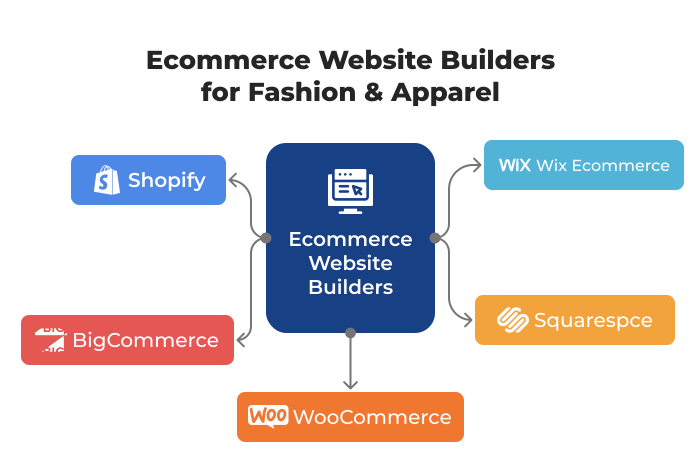
Choosing the right ecommerce platform can shape how your fashion brand is perceived online. Each builder comes with strengths that suit different needs, whether you’re just starting out or scaling up. Below are five of the best ecommerce website builders for fashion and apparel brands:
A. Shopify
Shopify is one of the most popular ecommerce platforms, and for good reason. It offers a wide selection of fashion-specific themes designed for modern, mobile-friendly shopping experiences. With powerful integrations for Instagram and TikTok, you can easily turn your social followers into buyers. Shopify’s app ecosystem also allows for advanced features like virtual try-ons, size guides, and product recommendations.
Feature: Built-in social commerce tools for Instagram, Facebook, and TikTok.
B. Wix Ecommerce
Wix is a great choice for fashion entrepreneurs who value design freedom. Its stylish templates and easy drag-and-drop interface make it simple to build a professional-looking fashion store without any coding. It’s ideal for small to mid-sized fashion brands that want full control over layout and content.
Feature: Intuitive drag-and-drop editor for total design flexibility.
C. Squarespace
Known for its visually rich designs, Squarespace is perfect for brands where aesthetic appeal is everything. It offers elegant templates that are image-forward and easy to customize. Built-in marketing tools like email campaigns and social media integration help you promote your products without relying on third-party plugins.
Feature: Designer-quality templates tailored for fashion storytelling.
D. BigCommerce
BigCommerce is a scalable solution best suited for growing fashion brands. It supports omnichannel selling, allowing you to sell on platforms like Amazon, eBay, and Facebook directly from your store. With robust inventory management and advanced SEO features, it’s built for serious growth.
Feature: Seamless integration with multiple sales channels.
E. WooCommerce
WooCommerce, built on WordPress, is highly customizable and best for content-heavy fashion sites like lookbooks or fashion blogs. It’s a great option if you want complete control over design and functionality, though it may require more technical know-how.
Feature: Full customization with thousands of themes and plugins.
5. How to Choose the Right Builder
With so many ecommerce website builders available, choosing the right one for your fashion or apparel brand can feel overwhelming. The key is to evaluate your specific business needs, goals, and future growth plans before committing to a platform. Here are three important factors to guide your decision:
5.1 Assess Design Needs and Brand Size
Start by considering your brand’s identity and visual requirements. Are you a minimalist clothing label, a colorful streetwear brand, or a luxury fashion boutique? Some platforms like Squarespace and Wix offer highly customizable design templates perfect for visually-driven brands, while others like Shopify provide structured layouts with fashion-specific themes.
Also, take your business size into account. Small startups may prefer simple, user-friendly builders like Wix, while growing brands with larger inventories might benefit more from scalable platforms like Shopify or BigCommerce.
5.2 Consider Budget and Scalability
Your budget plays a big role in which builder makes sense. Platforms like WooCommerce are affordable to start but may require technical setup and plugin purchases later. On the other hand, Shopify or BigCommerce may have higher monthly fees, but they offer built-in tools that reduce the need for third-party apps.
Scalability is another crucial point. As your business grows, your ecommerce platform should be able to support more products, traffic, and sales without slowing down or requiring a full migration to another system.
5.3 Check Platform Integrations
Look for a builder that supports the tools your brand relies on whether it’s Instagram Shopping, email marketing, Google Analytics, or payment gateways like Razorpay or Stripe. The more integrations available, the easier it is to automate processes and expand your reach across channels.
6. Bonus: How to Build a Fashion Ecommerce Website
Once you’ve chosen the right ecommerce website builder for your fashion brand, the next step is setting up your online store. While every platform has its own interface, the process generally follows a few essential steps. Here’s a simple guide to help you build your fashion ecommerce website from start to finish:
6.1 Select Builder and Theme
Start by signing up for the ecommerce website builder that best suits your brand’s needs whether it’s Shopify, Wix, Squarespace, BigCommerce, or WooCommerce. Once registered, choose a theme or template that aligns with your fashion brand’s aesthetic. Look for designs that highlight visuals, support product galleries, and feel intuitive to navigate.
- Choose a responsive, fashion-focused theme that reflects your brand style
- Customize fonts, colors, and homepage layout for a unique look
6.2 Add Products with Images and Descriptions
Next, start uploading your products. Use high-resolution images that showcase different angles, colors, and details of your clothing or accessories. If possible, include lifestyle shots or models wearing your products to give shoppers a better idea of fit and style.
Write clear and engaging product descriptions, including material details, sizing information, and care instructions. Use bullet points for readability and make sure variant options like size and color are easy to select.
- Upload at least 3–5 product images showing different views and angles
- Include size charts and style notes to reduce customer confusion
6.3 Set Up Payments and Shipping
Once your products are listed, set up your payment options. Most ecommerce builders allow you to integrate popular gateways like Stripe, PayPal, Razorpay, and more. Choose the ones that work best for your target market.
Then, configure your shipping settings. Set clear delivery options, shipping costs, and return policies. If you’re selling internationally, consider adding multiple shipping zones with country-specific rates.
Final Thoughts
In conclusion, selecting the right ecommerce website builder is a crucial step in launching a successful fashion or apparel brand online. Whether you prioritize design, scalability, or ease of use, platforms like Shopify, Wix, Squarespace, BigCommerce, and WooCommerce each offer unique strengths to suit different business needs. Take advantage of free trials to explore your options, and always prioritize branding, fast performance, and mobile responsiveness. With the right platform in place, you’ll be well on your way to building a stylish, user-friendly online store that turns visitors into loyal customers. As trends shift and your brand evolves, a flexible and feature-rich ecommerce builder will help you adapt quickly and stay ahead of the competition. Don’t just build a store, build an experience your customers will love to return to.
Check out our latest blog on “Voice Search Marketing: How to Optimize Your Content for Spoken Queries”